Translate

Showing posts with label Dogs. Show all posts

Saturday, October 14, 2017

Which Is Better For Your Pup? Collar Vs. Harness

If you’ve been around dogs for a long time, you’ve probably walked a pooch that tugs pretty hard on the leash at some point. They pull against the tension, choking themselves on their collar, and you might think that getting a harness will solve that problem. You may be right, but there are important pros and cons to consider when deciding between using a collar or a harness.

So, when to use...


If your dog does not pull on leash and has no trachea or respiratory issues, then a collar is a good option for everyday. Large or small, it really doesn't matter. The only time a traditional collar is not recommended is for dogs that pull, lunge, or are at risk for tracheal collapse.

Collar


I Use this Kind often. Buy its amazing
http://amzn.to/2gCXIGf
If you’ve been around dogs for a long time, you’ve probably walked a pooch that tugs pretty hard on the leash at some point. They pull against the tension, choking themselves on their collar, and you might think that getting a harness will solve that problem. You may be right, but there are important pros and cons to consider when deciding between using a collar or a harness.
Collars are certainly the most traditional approach when it comes to walking and training dogs. Most people are familiar with the signature, necklace-like collar, however, collars come in alternate forms like the metal choke collar (not recommended) and the martingale. We don't necessarily recommend the metal choke collar or its cousin the pinch-prong collar. These styles can be potentially harmful for your dog and we feel there are more positive ways to train without choking your dog to get his/her attention. The best options are really your classic collar and martingale.


Collar Pros:


– They’re good for pups who dislike the feeling of a harness and crave comfort.


– They provide visibility and function.  “Collars are the most convenient to slip on and off and are handy because they can hold your dog’s identification, rabies, and license tags.”


Collar Cons:


– They’re not ideal for training.

– Any slight pulling could increase the likelihood of a neck injury.

– They create eye pressure. Dr. Yin explains: “According to a study in the Journal of the American Animal Hospital Association in 2006, pressure generated when dogs pull while wearing these collars raises the pressure in the eye. As a result, it may worsen the clinical signs or disease progression in dogs with glaucoma.”

– Positively also outlines more severe problems such as thyroid issues (the collar could damage the gland), behavior problems due to pain and injury, and ear and eye issues from neck pressure.


Using A Harness


Harnesses are becoming more and more popular as dog owners discover the advantages they can offer. They are great training tools for puppies learning to behave on leash, and they allow walkers to have a bit more control. Harnesses discourage pulling and allow you to stop your dog from jumping up on strangers without worrying about choking. Dogs on harnesses are also less likely to be tangled up in the leash accidentally.
Another advantage harnesses have over collars is that they reduce the risk of neck injury, especially for delicate toy breeds.
They also cause less restriction for breeds like Pugs and French Bulldogs that are prone to respiratory problems or tracheal collapse. If your pup has any trouble breathing, a harness is likely the best choice. Collars can also cause certain breeds’ eyeballs to protrude from their sockets if too much pressure is applied to the neck.


Harness Pros:


– It’s an effective training tool, especially for puppies.
– Harnesses are great for specific breeds. “A harness is also a good option for dogs like pugs, who risk their eyeballs protruding from the sockets if too much pressure is put around their neck.”
– They provide better control over your dog because it discourages pulling and jumping.
– They keep distracted pups focused.
– They’re great for dogs with short noses, like Pugs.
– Dogs with respiratory problems and neck injuries benefit from harnesses. points out, “Tugging and pulling on a collar puts extra stress on windpipe and will provoke a severe coughing episode.”


Harness Cons:

– Dog might not like the feeling of a harness.
– Back-clip harnesses might not be 100% effective. “These harnesses actually help train your dog to ignore you and pull you because when you pull on the leash to try to gain some control, they direct the dog’s attention away from you.”


Saturday, September 16, 2017

Kennel Cough

Is your dog coughing more than usual? 


If your dog recently spent a lot of time around other pups and is showing signs of respiratory distress, they may have picked up a curable but stressful illness. Kennel cough is contracted when a dog inhales bacteria or virus particles. Their respiratory tract is coated with mucus that traps the particles, resulting in the voice box and windpipe becoming inflamed. Find out which symptoms to look for, ways to help your canine recover and more about the vaccines needed to keep you pet healthy.


What Is Kennel Cough?


Kennel cough is also referred to as tracheobronchitis and Bordetella. This disease is a respiratory tract infection where the dog’s trachea and bronchi become inflamed. Kennel cough is highly contagious and a high percentage of dogs are infected at least once during their life. Puppies experience some of the most severe complications since their immune systems aren’t fully developed.


What Dogs Are at High Risk for Kennel Cough?


Puppies are not the only ones at risk. Older dogs and pregnant females also have decreased immune capabilities making them more susceptible to infection. This severe respiratory disease can spread quickly in overcrowded spaces like doggie day care, boarding facilities and groom facilities putting the pups at a higher risk of obtaining it.


Kennel Cough Symptoms


- A dog with kennel cough may be acting completely normal activity-wise and appetite-wise, but the main thing you’ll notice is their cough. Below are some symptoms to be on the lookout for.

- Cough that has a honking sound

- Fever

- Gagging and coughing up phlegm (worse after exercise)

- Nasal discharge

- Severe cases may include: pneumonia, lack of appetite, lethargy and possibly death Kennel Cough Treatment


There are two main treatments for tracheobronchitis and Bordetella. 

Less serious cases require no antibiotics while more serious cases require them. If your dog has minor symptoms then you’ll have to let the disease run its course. An anti-inflammatory agent can be given to your dog to reduce the coughing episodes and help your dog feel more comfortable. If your dog isn’t eating, has a fever and is having severe respiratory problems – your dog may have pneumonia, this means antibiotics will be suggested by your vet.
While your pup is recovering from kennel cough remove any items from around his neck. This includes collars, scarves and bandanas. Use a body harness Instead of a collar for your dog on walks to prevent stimulation of the coughing reflex.


Kennel Cough Vaccine

There are three types of vaccines for this disease: injection, nasal mist and oral. This is a common immunization during your pup’s regular vet visits so be sure to ask if you expect them to spend time around other animals. The nasal mist and oral vaccine are given to dogs once a year, but if your pup is at high risk it may be recommended every 6 months. Note that the Bordetella part of the vaccine takes 3 days to be effective. The nasal mist and oral vaccine also provide protection to the animal sooner than the injection does.


Notes: While these vaccines reduce the likelihood of illness, they don’t guarantee your pup won’t get sick. Also, the vaccine does not treat active infections.

Monday, June 26, 2017

Dogs Noses are Wet and Cold


In the dog, the olfactory system (or sense of smelling) is the primary sense and it is very efficient. In fact, about 30 percent of their brain is designated to analyzing odor. This is almost forty times more sensitive than that of a human. The nose of a healthy dog can fluctuate between wet and dry frequently during the day, depending on several factors. Most people have always wondered why their dog’s nose is wet and cold most of the time. Here’s why:


Mucus


Your dog’s nose has a layer of mucus that appears naturally at the tip of his nostrils. This helps to catch scents and enhance the detection of odors. The pet’s tear ducts also produce moisture that runs into its nasal cavity on its way to the entrance of the nostril. Here it helps to absorb irritants like pollen.


Licking


Dogs have been known to lick their noses every now and then, which also contribute to their wet and cold muzzles. One of the reasons behind this habit is that dogs have long snouts and noses, which tend to get dirty very easily particularly when they are rooting around in food. Licking is just part of their cleaning process. Another reason dogs lick their noses is to wipe off the scent chemicals contained in the mucus mentioned above to allow the olfactory glands located at the roof of their mouth to sample them.


To cool the body


One obvious reason your dog’s nose is cold is due to the fact that it is not covered in fur. The normal temperature of a healthy dog is 101 to 102.5 degrees F. If you record higher temperatures on your dog’s nose, it may be a sign of fever. The muzzle’s smooth texture and moistness make it feel cooler than it really


Moisture from environment


Dogs that spend time outdoors usually have the habit of sniffing their environment. During this process, their noses naturally pick up moisture from plants, grasses, the ground, and other sources in their surroundings. This contributes to their cold and wet noses as well.


Nose Health


While your dog’s nose is supposed to be moist, it should not be dripping or running. This could signify the presence of an irritant, tumor, or infection. One precautionary measure you can take is keeping potential irritants like household chemicals, grass piles, and strongly scented flowers away from your dog’s reach. You should also safely discard hazardous materials like sharp objects, strings, and broken glass instead of leaving them in the household trash, where your dog can poke his head inside for a sniff.

Red Signs


Although a cold and wet nose is usually associated with good health, it is not always the case and neither is vice versa. There are certain instances when your dog may have a warm nose but is perfectly healthy, particularly when he is alert and acting normally. But there are a number of signs you should watch out for in an unhealthy dog. These include:

Wednesday, June 14, 2017

Owners Danger Mistakes 2 of 3

Misreading Body Language


Sure, you love your dog. But do you really understand him? If you think a wagging tail is always a good sign, you could be in for a nasty surprise. When a dog wants to threaten someone, he may hold his tail high and wave it stiffly back and forth. Mistake this warning for a sign of playfulness and you could get bitten. To avoid misunderstandings, learn about your pet's body language.


Providing Too Little Attention


Just like children, your pets will get bored if you don't play with them. And boredom can lead to troublesome behaviors like chewing, digging, barking, and whining. Bored cats may resort to scratching and excessive meowing. Fight boredom by hiding treats for your pets to find around the house. Provide toys your cat can chase. Teach dogs to play fetch, tug-of-war, or hide-and-seek.


Making Your Cats Share a Litter Box


Multiple cats plus one litter box equals a formula for elimination problems. That's a nice way of saying your cat may choose to pee or poop on the floor. Cats can be very picky about their litter box. If it's dirty or smells like other cats, they may not use it. Experts recommend having one litter box for every cat in your home, plus one extra. It may be helpful to space out their boxes around the home.


Not Socializing Young Pets


It's important to provide puppies and kittens with positive human interaction during their first seven weeks of life. This includes handling and play that fosters trust in people. Reputable breeders will begin this interaction, and you can continue the process when you bring your pet home. To develop a strong bond, play with your new puppy or kitten every day.


Leaving a Dog Alone Too Long


Spending 8-10 hours alone in a crate, tiny laundry closet, or even outdoors is too much for most dogs. It can lead to separation anxiety and destructive behaviors including chewing, soiling, digging, and nonstop barking or howling -- even depression in a timid dog. Better choices are doggie day care, a mid-day visit from a pet sitter, or a canine companion. Adult dogs can go 4-5 hours in a crate but need exercise before and after. (SEE HELP  http://animpets.blogspot.pt/2017/02/not-only-do-dogs-need-their-daily.html  )


Setting No Rules


Some people expect their pets to know right from wrong without being told. But human etiquette does not come naturally to dogs and cats. You need to make it clear that jumping up on people, scratching the furniture, and peeing on the carpet are unacceptable. Be consistent about the house rules, and reward your pets for good behavior. If you need guidance, consult a trainer promptly.


Scolding Pets for "Accidents"


If you come home to find a puddle of pee on the floor, you may have the urge to yell at your pet. But animal behavior experts say this will do no good at all. The transgression took place in the past, and your dog or cat won't know why you are yelling. A better strategy is to praise your pets immediately when they do their business where they are supposed to.


Leaving Young Kids Unsupervised


Most children adore animals, but sometimes their enthusiasm can lead to someone getting hurt. Young kids may play too rough, pushing a dog or cat to strike out in self-defense. Be sure to supervise play time when a new pet joins the family. Set rules for how children should treat the pet and teach them to recognize the signs that a dog or cat wants to be left alone.


Friday, June 9, 2017

Stages of puppy development

Puppy Development


Just as the saying "a chip off the old block" often holds true for humans, it can apply to dogs as well. Puppies that are well-socialized are more likely to come from dogs that are well-socialized.

A basic part of a pup's socialization is based on their mother's attitude--relaxed or skittish--toward people. The way you interact with your new puppy can play a big role, too. Playing, petting, and talking with your pup can help him or her develop the "people skills" needed to be a good member of the family and the neighborhood.

While weaning for puppies can take place at six to seven weeks, they are still learning important skills from their littermates as their mother gradually leaves them for longer periods of time. Puppies that stay with their litter for at least three months are more likely to develop good social skills as they act as role models for each other.

When puppies are separated from their littermates too early, they often fail to develop key social skills, such as sending and receiving signals, the hierarchy process (who is in charge), how far to go in play-wrestling, what mouthing pressure is acceptable (inhibited bite), and so forth. Play is important for puppies. It increases their dexterity, social interaction, and helps them to learn their boundaries.

Through these interactions with their mother and littermates, puppies learn what being a dog is all about. During the first eight weeks of age, skills not acquired may be lost forever.
Most dogs are considered puppies for up to two years of age, though puppyish behavior may end sooner or last longer in some breeds. The stages listed below are essential and fairly constant. However, dogs are open to new knowledge and training well beyond the puppy years. Here are some general guidelines for puppies' stages of development.

The neonatal stage: Birth to two weeks


The senses of touch and taste are immediately present after birth.
The mother has the most influence over the puppy.


The transitional stage: Two to four weeks


Mother and littermates continue to influence a puppy's behavior.
The sense of hearing and smell develop, eyes open and the teeth begin to appear.
A puppy begins to stand, walk a little, wag its tail, and bark.
A puppy's eyesight is well-developed by the fourth or fifth week.

The socialization stage: Three to twelve weeks


A puppy needs occasions to meet other pets and people during this stage.
By three to five weeks, play becomes important as a puppy becomes aware of his or her surroundings, companions (both people and dogs), and relationships.
The influence of the puppy's littermates increases at four to six weeks as he or she learns more about being a dog.
From four to twelve weeks, a puppy's interaction with people becomes more influential. With littermates, the puppy learns to play, develops social skills, learns the inhibited bite, explores his or her social boundaries and hierarchy, and improves physical coordination.
By five to seven weeks, a puppy needs positive human interaction as he or she develops curiosity and explores new experiences.
A puppy has full use of his or her senses by seven to nine weeks. A puppy is refining his or her coordination and physical ability, and can begin to be housetrained.
At eight to ten weeks, a puppy can experience real fear involving everyday objects and experiences. During this stage, a puppy needs support and positive reinforcement.
Enhancing responses, advancing social skills with littermates (proper contact), and investigating the surroundings and items takes place from nine to twelve weeks. This is a good time to begin elementary training as a puppy will begin to focus on people.

    The ranking stage: Three to six months


    Ranking (dominance and submission) within the household or "pack," including people, is seen and used by a puppy in this stage.
    A puppy's play group, which may now include those of other species, becomes influential in his or her life.
    Teething and chewing begins.
    A puppy experiences another fear stage at four months of age, so be prepared with positive reinforcement and introductions to objects and situations.

      The adolescence stage: Six to eighteen months


      A puppy is most affected by human and dog "pack" members.
      A puppy may challenge people as part of exploring his or her dominance in the "pack."
      At seven to nine months, a puppy will begin exploring more of his or her territory, prompting a second chewing phase.
      A puppy will experience the beginnings of sexual behavior if not spayed or neutered.

      Thursday, May 4, 2017

      How to Help Kids Cope with Pet Loss


      Cope with Pet Loss


      child crying over a pet loss
      Losing a beloved pet, whether it’s a dog or a gerbil, is never easy. For many children, a goldfish or favorite cat dying is often their first taste of death and it can be devastating for them. It’s difficult to see your little one mourn. Fortunately, you can take steps to ensure that your child comes to terms with the loss in a healthy way and is able to move on. Here are a few tips to follow to help your children cope with losing a pet.


      Let your child grieve


      It’s okay to feel sad when you lose someone you love and this should be conveyed to your child. If you were close to the pet, you can let them see that you are sad, as well. Avoid being sad for too long. Your children should learn how long they can grieve and how to live after the death of the pet or person they love.

      Allow your child to be a part of the death


      It’s important that children know what is going on. If a pet is deathly ill or is about to be put down, make sure you explain it to your child in terms he or she can understand. It may be difficult, especially if your child is highly sensitive, but this will lessen the impact later on.

      Create a memento


      Remember that special pet with something made to memorialize them. A scrapbook with memories written in it and photos of the pet can be a helpful reminder of the good days. Collect photos of your deceased animal and help your child put together a fun photo album that will help everyone remember the great times you all enjoyed. Add stickers and captions to make the book special. If you aren’t up to doing a full photo album, something like a photo frame or even one page of photos to hang on the fridge can be a good alternative.

      Hold a memorial service


      While you may feel silly holding a service for a mouse or fish, it can be a useful tool for helping a child move on. A service may include a burial, depending on how you decide to handle the animal’s remains. Have each person say something about the pet. Children can read an appropriate poem or lay flowers on the grave. If there is no burial, have the service in front of a photo of the pet.

      Don’t get a replacement


      It may be appropriate to get a new animal later on, but don’t rush to replace the lost pet. It’s important that your child have time to grieve. It is also a good idea to show children that death is part of life and that you can’t just buy a new creature to take away the pain. A rapid purchase can cause children to worry that if they die, they will also be replaced and you won’t feel their loss.

      Make sure your child doesn’t feel responsible


      Children tend to be fairly self-centered and this can lead to assuming that the pet’s death was their fault. Be sure to let your little one know that pets do die and that it’s normal, though unpleasant and sad. Make sure your child doesn’t blame himself for the pet’s passing.

      Talk about the pet


      Sometimes, when an animal or loved one dies, that part of life becomes closed and no one talks about it. For most children, it’s important to explain that they can share their good memories of their pet and talk about what happened. This will help them work through the pain and gradually move on. Ensure that your child understands death is final

      Continue with regular activities


      While your child may want to stay home and grieve, it’s best if he goes to school and after school activities, the same as usual. Returning to a normal schedule can help kids see that life goes on, even after a devastating loss. It will also give them something else to focus on.

      Allow your child to keep something special


      A favorite pet blanket, chew toy or collar can be a good thing for a child to hold onto. Don’t be surprised if he wants to sleep with the pet’s item. Keeping something special like a collar close by can bring comfort to the grieving child. It’s usually fine to let kids hang onto a few keepsakes.

      It’s never easy when a much loved member of the family dies. Children who are experiencing loss for the first time are more likely to have a hard time accepting that their friend is gone. It’s up to you to console them and ensure that they understand exactly what happened. Answer their questions to avoid children coming up with fearful ideas of their own.

      Wednesday, March 1, 2017

      How much exercise does my puppy need?


      Humans need exercise to feel better, look better and live a healthy life. And the dogs in our lives are no different. Dogs are built for activity. In fact, stray cats and dogs can travel 20 to 30 miles (32 to 48 kilometers) a day. Their domesticated counterparts certainly don't need to cover that much ground every day, but they still need to be regularly moving on all fours.
      Daily exercise is good for both your pooch's mental and physical well-being. Exercise can help your baby dog avoid arthritis and other problems with his joints later on in life. Dogs are also prone to the same types of obesity-related illnesses as humans, so exercise is crucial to helping them keep off the pounds. Basically, getting your dog in the habit of regular physical activity while he's young is the cornerstone to a long healthy life and helps his physical development.
      Puppies also need exercise for mental stimulation (SEE MORE). Moving around keeps them from becoming bored and mischievous. Many owners find that taking their dogs out for regular outdoor play and walks cuts down on behavioral issues like incessant chewing and digging and nonstop barking that make owners want to pull their hair out.


      How Much is Enough?


      Make sure you're consistent with the amount of exercise your puppy gets. You need to help him build his stamina, and the only way he can do this is by exercising regularly but with caution. At the puppy stage, he's much too young to be doing the rigorous activities that he will be more able to do as he grows older.The amount of exercise your puppy needs depends on his age, breed and medical condition. Not every breed will be up for a long walk through Central Park. Some breeds are just not built to go the distance, while others are always ready to romp. Some of the breeds that need the most exercise are Border collies, Labrador retrievers, Jack Russell terriers and Dalmatians.
      Puppies need five minutes of exercise per month of age up to twice a day, according to the U.K. Kennel Club. In other words, a 3-month-old puppy will need 15 minutes of exercise while a 4-month-old will need 20 minutes. This may take the form of low-impact activities like swimming or playing with small dog exercise balls. You can also take your puppy out for short walks on a leash. However, if he starts to sit down, give him time to rest. If he does not start walking again, you may have to carry him home. Most adult dogs should participate in some form of physical activity for at least 30 minutes and up to two hours every day. Your puppy's genetics will determine when it's time to move her up to adult dog exercise. If she won't get any larger than 25 pounds (11 kilograms), then she can start at around 9 months. If she'll end up weighing between 25 to 100 pounds (11 to 45 kilograms), it's best to wait until she's at least 14 months old. If she'll be tipping the scale at 100 pounds (45 kilograms) or more, you can introduce these activities to her when she is at least a year and a half old.

      So, how will your pooch feel after exercising? Pretty much the same as you and I feel after a great workout. Taking your puppy on a nice short walk or letting him play in the yard translates to a calmer canine that will more than likely sleep very well that night.

      Monday, February 27, 2017

      Mental Games for Dogs

      Not only do dogs need their daily physical exercises like a walk or run, but they also need to be exercised cognitively. Mental challenges help make your dog smart and intelligent while keeping her from getting bored and destructive. Just humans, dogs are cognitive and emotional beings. So, they need experiences that stimulate them at both a cognitive and emotional level.


      Basic Mental Exercises


      Mental exercises for dogs don't need to be all that complex. Even what seem to be basic physical tasks involve a mental component. For example, a game of fetch requires that your dog focus her attention. Attention is a mental task. Any activity that requires your dog's attention will be great for her mind's growth.

      Another simple mental exercise that has become quite common is the Kong toys. Kongs require that your dog strategize about how to get the biscuits out of the toy. While your dog won't be very physically active, she will certainly be mentally active. This is a mental exercise that your dog can even perform in her crate, and will serve a double purpose of keeping her from boredom.


      Complex Mental Exercises


      Simple mental exercises are more than sufficient to keep your dog psychologically healthy. However, there are some tasks that will require your intense involvement. For starters, you can play games with your dog. Any game that your dog learns will be great mental exercise because it will require that she know and follow rules. Learning and following rules of any kind is a great form of mental exercise.
      For example, a game of hide and seek can be played both indoors and outdoors. Many dogs will naturally play this game both because they are instinctually good at tracking and retrieving and because they want to be in their owners presence. Hide and seek requires that your dog use her mental skills to track you down.

      Another game that is great for dogs is keep away. Grab some item that your dog has a special relationship (a ball or toy) and start running away from her. Keep your back to her the whole time. She will chase you trying to get the object. You can also reverse the tasks. Give your dog an item and then start chasing her. Many dogs will playfully start dodging and avoiding your attempts to take the item away. Slowly increase your resolve to get the item back, changing strategy, and your dog will likewise adapt, figuring out the best way to keep away!
      Of course, the most complex set of mental exercises are those that involve formal training. Training your dog to perform tricks, to obey commands or even to perform in dog competitions will pay huge dividends. As your dog goes through training, she learns a large amount and her mental capacities are greatly expanded.

      Wednesday, February 15, 2017

      Dog Breed : The Leonberger

      The Leonberger is a giant dog breed. The breed's name derives from the city of Leonberg in Baden-Württemberg, Germany. According to legend, the Leonberger was ostensibly bred as a "symbolic dog" that would mimic the lion in the town crest. It is in the Working Group for dog shows such as Crufts, but not at the World Dog Show.

      Appearance


      This Mountain dog comes with a generous double coat; the Leonberger is a large, muscular, and elegant dog with balanced body type, medium temperament, and dramatic presence. The head is adorned with a striking black mask, and projects the breed's distinct expression of intelligence, pride, and kindliness. Remaining true to their early roots as a capable family and working dog and search and rescue dog (particularly water), the surprisingly agile Leonberger is sound and coordinated, with both strength in bearing and elegance in movement. A dimorphic breed, the Leonberger possesses either a strongly masculine or elegantly feminine form, making gender immediately discernible.


      Size, proportion, and substance


      Height at withers: 


      Male: 71–80 cm (28–31 in): average 75 cm (30 in)
      Female: 65–75 cm (26–30 in): average 70 cm (28 in)

      Weight:


      Males: 120–170 lb (54–77 kg): average 140–150 lb (64–68 kg)
      Females: 100–135 lb (45–61 kg): average 115 lb (52 kg)

      For a mature Leonberger, the height at the withers is ideally the median of the breed's range—71 to 80 centimetres (28 to 31 in) for males and 65 to 75 centimetres (26 to 30 in) for females. Capable of demanding work, the Leonberger is a dog of ample substance. Its frame is supported with well-muscled, medium to heavy bone in direct proportion to its size. A roomy chest is sufficiently broad and deep for the purpose of work. Seen in profile, the chest curves inward from the pro-sternum, tangently joins the elbow to its underline at fifty percent of the withers' height and then continues slightly upward toward the stifle.


      Head


      The head is well balanced in proportion to the size of the dog and is deeper than broad with the length of muzzle and the length of skull approximately equal. With close fitting eyelids, the eyes are set into the skull upon a slight oblique; the eyes are medium-sized, almond shaped, and colored dark brown. The ears are fleshy, moderately sized, and pendant shaped, with sufficient substance to hang close to the skull and drop the tip of the ears level with the inside corners of the mouth. The Leonberger's ears rise from halfway between the eye and the top of his skull to level with the top of his skull. Though level bites and slight anomalies not affecting the robustness of the lower jaw are common, the ideal Leonberger capably possesses a strong scissor bite with full dentition.


      Coat


      Both a necessity for work and a defining attribute of the breed, the Leonberger has a water-resistant double coat on his body that is complemented by the shorter, fine hair on his muzzle and limbs. The long, profuse, outer coat is durable, relatively straight, lies flat, and fits close. Mature, masculine Leonbergers exhibit a pronounced mane. Similarly, his tail is very well furnished from the tip to the base where it blends harmoniously with the breech's furnishings. Climate permitting, his undercoat is soft and dense. Apart from a neatening of the feet, the Leonberger is presented untrimmed.


      Color


      A variety of coat colors are acceptable, including all combinations of lion-yellow, red, red-brown, and sand. Nose leather, foot pads and lips should always be black. Faulty colors include brown with brown nose leather, black and tan, black, white or silver and eyes without any brown. A small patch of white on the chest or toes is permitted.

      Temperament


      First and foremost a family dog, the Leonberger's temperament is one of its most important and distinguishing characteristics. Well socialized and trained, the Leonberger is self-assured, insensitive to noise, submissive to family members, friendly toward children, well composed with passersby, and self-disciplined when obliging its family or property with protection. Robust, loyal, intelligent, playful, and kindly, they can thus be taken anywhere without difficulty and adjust easily to a variety of circumstances, including the introduction of other dogs.


      Health


      Leonbergers are strong, generally healthy dogs. Hip dysplasia, which devastates many large breeds, is largely controlled because of the effort of many breeders who actively screen their Leonbergers using x-rays evaluated by the Orthopedic Foundation for Animals and leave dysplastic specimens out of the gene pool, thereby reducing the risk of bone/joint problems. For over twenty years, breeders belonging to the Leonberger Club of America, which issued pedigrees for the Leonberger breed in America, adhered to many aspects of the German breeding program whereby member kennels may only choose to breed dogs that were certified as three generation free of hip dysplasia. As a likely result, the incidence of hip dysplasia in the breed was reduced to almost 10% and the occurrence of OFA rated "Excellent" hips increased by over 60% in just twenty years. Current incidence rates of hip dysplasia in Leonbergers are likely around 13%.
      After 2010, when the Leonberger Club of America joined the American Kennel Club, the formerly strict breeding rules are no longer mandatory for all Leonbergers.
      Though not common, Leonbergers do inherit and/or develop a number of diseases that range in their impact from mild to devastating. In addition to hip dysplasia, Leonbergers can inherit and/or develop heart problems, Inherited Leonberger Paralysis/Polyneuropathy (ILPN), osteosarcoma, hemangiosarcoma, Osteochondrosis Dissecans, allergies, digestive disorders, cataracts, entropion/ectropion eyelids, progressive retinal atrophy (PRA), perianal fistulas, and thyroid disorders. Though rumors persist of Leonbergers being more sensitive to anesthesia than other breeds of dog, they are largely untrue. Leonbergers, like other large breed dogs, require less dosage per pound of sedative than smaller breeds to yield the same effect.] The Leonberger Health Foundation, a private nonprofit foundation whose sole mission is to support major researchers who are seeking to identify genetic markers for serious diseases which affect the breed, is currently focusing on osteosarcoma, hemangiosarcoma, and Leonberger Polyneuropathy.


      Longevity


      Leonberger
      Leonbergers in UK and USA/Canada surveys had a median lifespan of about 7 years, which is about 4 years less than the average purebred dog, but typical of similarly sized breeds. About 20% of Leonbergers in the surveys lived to 10 years or more. The oldest dogs in both surveys died at about 13.In France, the breed has a median lifespan of 8.75 years.
      Serious diseases can affect the Leonberger—certain types of cancers are very common in the breed. Gastric Dilatation Volvulus, commonly called bloat, is another serious condition that affects many of the large and giant breed dogs, particularly those with deep chests. It causes the stomach to twist and can be fatal quite quickly. Adult Leonbergers should always be fed twice a day rather than one large meal in order to reduce the likelihood of bloat. Leonbergers are not alone in inheriting serious diseases and according to the University of Sydney's LIDA taskforce, Leonbergers have relatively few health issues compared to other dog breeds.
      In a 2004 UK Kennel Club survey, the most common causes of death were cancer (45%), cardiac (11%), and "unknown" (8.5%). In a 2000 USA/Canada Leonberger Club of America survey, the most common causes of death were cancer (37%), old age (12%), cardiac (9%), and "sudden death" (8%).
      Studies have indicated problems with inherited polyneuropathy in certain populations of Leonbergers and cataracts in dogs in the United Kingdom.A study of "Leonberger polyneuropathy" was published in 2014. Genetic testing is to be done through a protocol administered in North America by the University of Minnesota Veterinary Diagnostic Laboratory or Institute of Genetics, Vetsuisse Faculty, University of Bern, Bern, Switzerland.


      History


      In the 1830s, Heinrich Essig, a dog breeder and seller and mayor of the town of Leonberg near Stuttgart in Baden-Württemberg, Germany, claimed to have created the Leonberger by crossing a female Landseer Newfoundland with a "barry" male from the Great St. Bernard Hospice and Monastery (which would later create the Saint Bernard breed). Later, according to Essig, a Pyrenean Mountain Dog was added, resulting in very large dogs with the long white coats that were the fashion for the time, and pleasant temperament. The first dogs registered as Leonbergers were born in 1846 and had many of the prized qualities of the breeds from which they were derived. The popular legend is that it was bred to resemble the coat-of-arms animal of Leonberg, the lion. The Leonberger dog became popular with several European royal households, including Napoleon II, Empress Elizabeth of Austria-Hungary, the Prince of Wales, Otto Von Bismarck, Emperor Napoleon III and Umberto I of Italy. Essig's claim of breeding the dog as described is disputed. At least as early as 1585, the royal household of Austrian Prince Franz Metternich, of Wolfberg, father of Prince Metternich, owned dogs of the same description.Either way, there is no doubt that Essig named and registered the breed first. A black and white engraving of the Leonberger was included in "The Illustrated Book of the Dog" by Vero Shaw (at p. 488) in 1881. At the time, Essig's Leonbergers were denounced as an indifferent knockoff of a St. Bernard—not a stable and recognized breed—and a product of a popular fad or fashion for large and strong dogs, fomented in part by Essig's prodigious marketing skills (he gave dogs to the rich and famous).

      The modern look of the Leonberger, with darker coats and a black masks, was developed during the latter part of the 20th century by re-introducing other breeds, such as the Newfoundland. This was necessary because breeding stocks of the leonberger were seriously affected by the two world wars. During World War I most Leonbergers were left to fend for themselves as breeders fled or were killed. Reportedly, only five Leonbergers survived World War I and were bred until World War II when, again, almost all Leonbergers were lost. During the two world wars, Leonbergers were used to pull the ammunition carts, a service to the breed's country that resulted in the Leonbergers' near-destruction Leonbergers today can have their ancestry traced to the eight dogs that survived World War II.

      Traditionally, Leonbergers were kept as farm dogs and were much praised for their abilities in watch and draft work. They were frequently seen pulling carts around the villages of Bavaria and surrounding districts. Around the beginning of the 20th Century, Leonbergers were imported by the Government of Canada for use as water rescue/lifesaving dogs. The breed continues in that role today, along with the Newfoundland, Labrador Retriever and Golden Retriever dogs; they are used at the Italian School of Canine Lifeguard. The Leonberger received American Kennel Club recognition as a member of the Working Group on January 1, 2010, alongside the Icelandic Sheepdog and the Cane Corso. It was the 167th breed to be recognized by the AKC.

      Tuesday, February 14, 2017

      Considerations when buying toys for dogs and cats

      While it may be tempting for some to get that gigantic chew bone or the brightly colored squeaky toy, some caution is advised before shopping for pets.


      Know your pet recipient


      As with a gift for a human, realize that each pet has their preferences (chewer, ball player, etc.) and some may have health conditions that warrant special attention when deciding on a gift.
      Food allergies are common in pets, so tuna treats are not the gift for the fish-allergic feline.
      Some pets have special dietary needs. Fatty or sugary treats are not appropriate for the diabetic or overweight pet.
      Whenever buying food or treat gifts for animals that are on a special diet or allergic to certain foods, remember to check the labels carefully - even when labeled as "beef" or "chicken" there are often other fillers, such as corn or fish, that may cause problems for sensitive pets.

      Toys to Avoid

      Toys that resemble common items


      Caution is advised when purchasing toys that are stuffed animals or resemble "regular" items such as shoes. Pets may not differentiate between their toys and human toys (or shoes). This is especially important in a house with small children - stuffed animals abound and the shoes are about the same size as the 'toy' ones.


      Dyes and preservatives


      Pets don't care what color it is, the colors added to treats and chews are for the people. (Think of the stuff dogs eat in the yard.) In addition to not being healthful, dyes may stain bedding and carpet where your pet is consuming the treat.

      Flimsy construction and dangerous materials

      Thin rubber squeak toys and Mylar ribbon cat toys are colorful and fun, but left unsupervised, a pet may chew and consume parts of these toys, with potentially very serious consequences.

      String Alert


      Given the chance, many cats will continue to consume a ribbon or string (tree tinsel, gift wrap, or cat 'fishing pole' type toys). Once consumed, the ribbon will bunch up in the intestines and can be fatal. This condition is referred to as a linear foreign body, and veterinary attention is required immediately. These toys are OK with supervision, but after playing, the ribbon toy should be placed in closed area, such as a closet.


      Ingestible Toys Not Always Digestible


      Rubber balls and chew toys can also have serious consequences when consumed. If large enough pieces are swallowed, they can cause a intestinal foreign body obstruction, also potentially life-threatening. Smooth objects (balls, coins, marbles) and hard rubber toys may be a cause of intestinal obstruction and often necessitate surgical removal.
      I have removed a rubber rat head from a cat's intestine, so cats can be victims of dietary indiscretion as well as dogs. (When the owner saw the toy rat head, chewed off of the toy rat body, she exclaimed that it had been kitty's favorite toy.)


      Favorite Pet Gifts


      Dogs


      I love the Kong Dog Toy. They offer a wide variety of sizes, shapes and "chewing strengths" - be sure to purchase a toy that is appropriate for the dog. Kong also makes cat toys now too, that are favorites of my cats.

      Monday, February 13, 2017

      How to discover the kind of dog i have

      With the excess of dogs in the world today, little wonder that a large portion of these dogs are mutts, which are dogs who aren't purebred. However, you may still be curious what your dog's background is. In addition, knowing your dog's background can help you assess what genetic diseases he's predisposed for, and it can also help you better understand behavioral problems. You can look at your dog's looks to help you identify his background, or you can turn to a genetic testing company to find out more.

      Check your dog's size.


      Your dog's size is related to your dog's breeds.


      You can't have a large mutt without him having a large-breed dog as a part of his genetic makeup.
      For instance, if your dog is very small (in the 5 to 10 pound range), he likely has some influence from the toy breeds, such as toy poodles, chihuahuas, papillons, and Shih Tzus.

       If your dog is mid-range, in the 10 to 50 pound range, he likely has some influence from a mid-range size dog, such as a terrier or spaniel.Large dogs, in the 65 to 100-pound range, include dogs such as setters, retrievers, and shepherds.The biggest dogs, the ones that come close to 200 pounds, likely have some giant dog in their mix, such as Saint Bernard, komondor, or mastiff.


      Nonetheless, mutts can come in any size, and if your dog is mid-range, it may be harder to determine what breeds contributed to his genetic makeup based on size.

      Look at your dog's ears.


      Different breeds have different types of ears. Your mutt's ears can be an indicator of what breeds contributed to his looks.
      Bat ears are large ears that stand upright on a dog's head. 


      They are large in proportion to the head. 


      They may be slightly rounded. Chihuahuas and Cardigan West Corgis have these ears.Prick ears stand upright and are pointed. 


      You'll see these ears on malamutes and Siberian huskies, as well as some terriers. 


      Sometimes, prick ears are made by cutting part of the ear, and those ears are called cropped. 

      Great Danes and Doberman pinschers often have their ears cropped.


      Another variation on prick ears is hooded ears, which curve slightly in at the bottom, like on basenji dogs.


      Round-tip or blunt-tip ears are upright ears that are rounded on the ends, seen on chow chows or French bulldogs.


       Candle flame ears are pointed ears, but they pinch in slightly at the bottom, making them look like a candle flame.


       English toy terriers have these ears.Button ears stand up, but the top part flops down, covering the ear canal. They're seen in fox terriers and jack Russell terriers, for example.Cocked, semi-cropped, or semi-pricked ear stands upright, but folds just slightly over at the top, as seen in rough collies and pitbulls.


      Drop ears or pendant ears drop down beside the side of the face, such as in the basset hound Another type of ear that is usually a drop style is a v-shaped ear, which is a elongated ear in a triangle shape, seen in bull mastiffs. 


      A folded ear is much like a drop ear. However, the ear hangs down in ruffles rather than straight down. You'll see these ears in dogs like field spaniels.Filbert-shaped ears hang down, but they have an usual shape, looking like filberts. You'll find these ears in breeds like Bedlington terriers.


      Rose ears are a type of drop ears, but they fold back instead of forward. You see these ears on greyhounds.


      Check your dog's tail.

      Your dog's tail can also be an indicator of its breed. Dog tails come in several varieties.


      Curly tails make a little corkscrew. You see this type of tail in pugs, akitas, and chow chows, for instance.


      Bobtails are short tails that look cut-off. You see this tail on dogs such as Australian shepherds and Pembroke Welsh corgis.


      Flagpole tails are long and straight and stand up like, well, a flagpole. You'll see these tails on dogs like beagles.


      Rat tails hang down, and they have very little hair. These tails are prominent on Irish water spaniels and Afghans.


      You might also see saber tails and sickle tails. Saber tails hang down but curve slightly upward and are covered in fur; German shepherds have these tails. Sickle tails curve upward over the body and are covered in fur; Siberian huskies and chihuahuas have these tails.


      Look at your dog's head.


      The shape of your dog's head can also indicate the breed type of your dog. Head shape varies from apple-headed to blocky-headed.

      Apple heads are very rounded. In fact, they look like domes. These heads are often seen on chihuahuas.

      A square-shaped head is known as a blocky head, seen in Boston terriers.


      Dogs with noses sunk into their heads and an undershot jaw are called broken-up faces, as seen in Pekingese.

      Snippy-faced dogs have sharp muzzles that aren't very wide, such as Salukis.
      Dogs that have faces that are concave are called dish-faced, as seen in pointers.


      Dogs with down face have convex faces.


      Their faces are curved outward from the nose to the top of their head, as with bull terriers.


      Realize you won't be able to identify your dog 100 percent. 


      While you may be able to pull out some of the breeds of your dog just by looking at him, it is difficult to decipher ancestry in mixed-breed dogs. When dogs are mixed, they can produce interesting characteristics that you wouldn't necessarily associate with the original breed.

      Thursday, February 9, 2017

      15 Hypoallergenic Dogs and Cats 1 of 2

      If you love animals but hate allergies, you may be tempted to spring for a pricey hypoallergenic pet.

      Not so fast. Studies suggest hypoallergenic cats and dogs can cause just as many symptoms as the regular kind, says James Seltzer, MD, a spokesperson for the American College of Allergy, Asthma & Immunology. That’s because skin and saliva proteins, not just hair, trigger allergy symptoms.

      The only pets proven to be hypoallergenic have scaly skin—like iguanas and snakes, he says. That said, if you’re dead set on a furry pet, here are a few that are touted—but not proven—to be better for people with allergies.


      Bedlington Terrier

      Think your best bet is a short-haired dog? Surprise! You’ll find short- and long-haired breeds populate the American Kennel Club’s (AKC) list of dogs that do well with people with allergies.
      That’s because it’s not the dog’s hair per se that causes allergies, it’s the saliva, skin, or other proteins. Allergens (particularly saliva proteins) can latch on to the hair, so less shedding in general—rather than the length of the hair—may be helpful.

      Bedlington terriers have curly, wooly coats with an extra mop on the top of the head, and weigh 17 to 23 pounds.


      Bichon Frise

      Known as “powder puff” dogs, bichon frises have a soft silky undercoat and a more coarse and curly outer coat.

      In general, dog allergens are microscopic particles that can hitch a ride on other air pollutants, including cigarette smoke and particulate matter generated by traffic.

      Cutting down on indoor air pollution can help stop the circulation of symptom-triggering allergens in your home, experts say. These dogs weigh about 10 to 18 pounds.


      Chinese Crested

      This pup sheds little to no hair, which again can lower—but not eliminate—allergens in the home.

      One member of the breed, Sam, had the dubious distinction of being voted the unofficial world’s ugliest dog for three years in a row.

      Chinese crested dogs comes in two versions—hairless, which have hair on the head, feet, and tail; and powderpuff, which have a soft coat over the entire body.

      These dogs weigh 10–13 pounds.
       

      Devon rex cat

      The Devon rex has big ears, an elfin face, and a coat that can be either thin and suede-like or a mop of loose curls, according to the Cat Fanciers' Association (CFA).

      These cats have a "dubious" reputation for being hypoallergenic, and symptoms will vary "according to an individual's personal allergies," says the CFA.

      In general, kittens shed more allergens than cats. Although the levels seem to drop at 6 to 12 months of age, "they still cause allergies," says Dr. Seltzer.


      Irish Water Spaniel

      "If you do the grooming outside the house you're not going to stir up as much allergen."
      Regular grooming and bathing of dogs can reduce, but not eliminate, allergens, says James Sublett, MD, section chief of pediatric allergy at the University of Louisville School of Medicine.

      The AKC says they "require brushing every few weeks and trimming every two months to neaten and shape the coat."

      These dogs have a curly coat and can weigh 45 to 65 pounds.


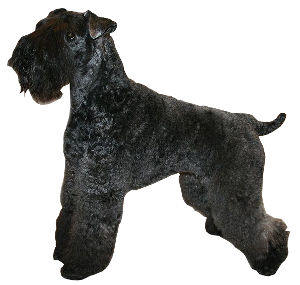
      Kerry Blue Terrier

      These dogs have a soft, dense coat and weigh 33 to 40 pounds.

      Originally bred as hunters, they may not do well in households with cats or other small pets, according to the AKC.

      Dr. Sublett notes that if "you're allergic to one dog, you're allergic to all dogs."

      There's "not really any guarantee that an animal will be hypoallergenic," he says.

      Thursday, January 26, 2017

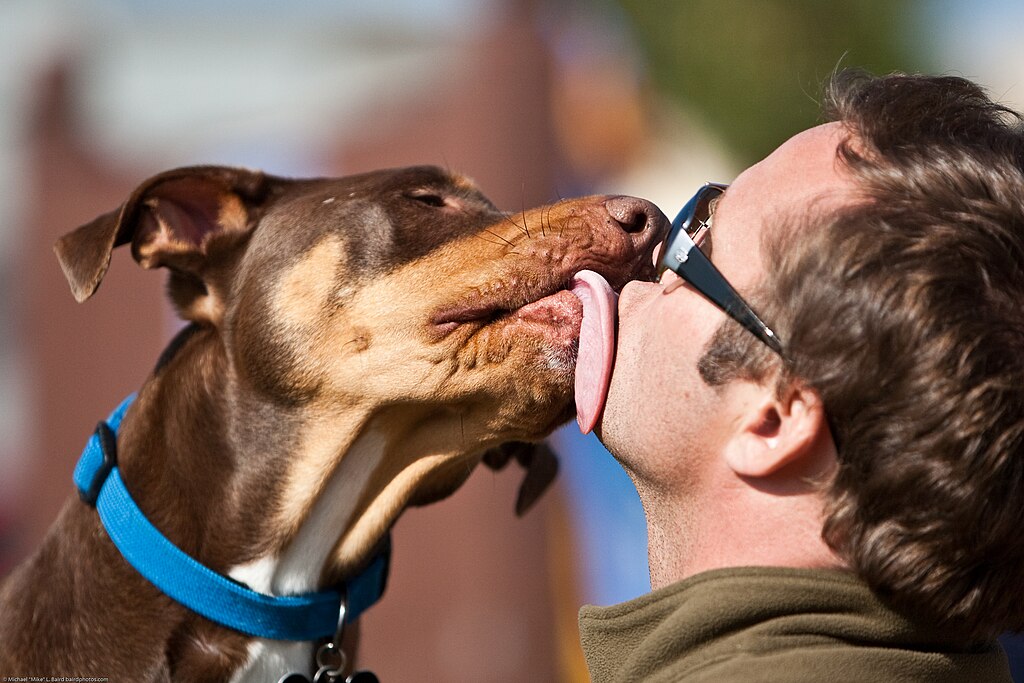
      Are dogs’ mouths really cleaner than human mouths?

      Statistics reveal that almost all pet owners consider their pets to be part of the family. Given these realities, it’s no surprise that kissing animals living under the same roof as their owners is common practice. But is it safe?
      We at Bright Side want you to know what hidden dangers could be lurking in giving your four-legged friend a big hug and kiss.


      Are dogs’ mouths really cleaner than human mouths? 


      That’s a total myth. Marty Becker, author of Chicken Soup for the Soul of the Dog Owner, dispels this popular prejudice when he says, "All you have to do is look, watch, smell, and you’ll realize that is not true. They raid the garbage can. You know, we give each other a peck on the cheek when we say hello; they give each other a peck on the rear end."

      How many bacteria are there in dogs’ saliva?


      This is what John Oxford, professor of virology and bacteriology at the Queen Mary University in London, says about how many bacteria your dog’s muzzle and mouth can carry: "It is not just what is carried in saliva. Dogs spend half their life with their noses in nasty corners or hovering over dog droppings so their muzzles are full of bacteria, viruses, and germs of all sorts."

      What might happen if these bacteria get into the human body? 


      These viruses and germs can cause serious health problems in humans. This is what happened to one British woman who contracted an infection from her dog’s saliva. She began to notice that her speech sounded more and more slurred. Blood tests revealed that she had an infection due to capnocytophaga canimorsus bacteria, commonly found in the mouths of dogs and cats. There were also 13 similar incidents across the UK.
       

      What other diseases can you catch from your pets?


      Ringworm infection is one of the most common diseases that you can get from kissing your dog. If your pet is infected with ringworm and you kiss them, then you’ll catch this disease too.
      MRSA infection usually affects the skin, and it can be caused by just one lick from your dog.
      Capnocytophaga сanimorsus is a bacterium that can cause serious health problems if it enters your body through an open wound.

      How to prevent health risks associated with owning a pet


      Always follow these rules:
      • Don’t kiss your animals, don’t let them lick your face, don’t ever feed your pets at the table, and never share your dishes with them.
      • Wash your hands thoroughly after having any contact with animals.
      • Vaccinate your pet against common diseases promptly.
      • Use special antibacterial and antifungal shampoos when you wash your furry friends.
      • Make sure your dog or cat has no contact with wild or stray animals of any kind. When walking your dog, watch that they do not eat anything off the street.
      • Don’t feed your four-legged friends raw eggs, meat, or fish.
      • Regularly clean and disinfect your pet’s feeding bowl, and do general cleaning in the house using disinfecting solutions.
      • See your vet immediately if your pet is not feeling well, if he or she refuses to eat, or suffers from digestive disorders.