Translate

Showing posts with label Tips. Show all posts

Saturday, October 14, 2017

Which Is Better For Your Pup? Collar Vs. Harness

If you’ve been around dogs for a long time, you’ve probably walked a pooch that tugs pretty hard on the leash at some point. They pull against the tension, choking themselves on their collar, and you might think that getting a harness will solve that problem. You may be right, but there are important pros and cons to consider when deciding between using a collar or a harness.

So, when to use...


If your dog does not pull on leash and has no trachea or respiratory issues, then a collar is a good option for everyday. Large or small, it really doesn't matter. The only time a traditional collar is not recommended is for dogs that pull, lunge, or are at risk for tracheal collapse.

Collar


I Use this Kind often. Buy its amazing
http://amzn.to/2gCXIGf
If you’ve been around dogs for a long time, you’ve probably walked a pooch that tugs pretty hard on the leash at some point. They pull against the tension, choking themselves on their collar, and you might think that getting a harness will solve that problem. You may be right, but there are important pros and cons to consider when deciding between using a collar or a harness.
Collars are certainly the most traditional approach when it comes to walking and training dogs. Most people are familiar with the signature, necklace-like collar, however, collars come in alternate forms like the metal choke collar (not recommended) and the martingale. We don't necessarily recommend the metal choke collar or its cousin the pinch-prong collar. These styles can be potentially harmful for your dog and we feel there are more positive ways to train without choking your dog to get his/her attention. The best options are really your classic collar and martingale.


Collar Pros:


– They’re good for pups who dislike the feeling of a harness and crave comfort.


– They provide visibility and function.  “Collars are the most convenient to slip on and off and are handy because they can hold your dog’s identification, rabies, and license tags.”


Collar Cons:


– They’re not ideal for training.

– Any slight pulling could increase the likelihood of a neck injury.

– They create eye pressure. Dr. Yin explains: “According to a study in the Journal of the American Animal Hospital Association in 2006, pressure generated when dogs pull while wearing these collars raises the pressure in the eye. As a result, it may worsen the clinical signs or disease progression in dogs with glaucoma.”

– Positively also outlines more severe problems such as thyroid issues (the collar could damage the gland), behavior problems due to pain and injury, and ear and eye issues from neck pressure.


Using A Harness


Harnesses are becoming more and more popular as dog owners discover the advantages they can offer. They are great training tools for puppies learning to behave on leash, and they allow walkers to have a bit more control. Harnesses discourage pulling and allow you to stop your dog from jumping up on strangers without worrying about choking. Dogs on harnesses are also less likely to be tangled up in the leash accidentally.
Another advantage harnesses have over collars is that they reduce the risk of neck injury, especially for delicate toy breeds.
They also cause less restriction for breeds like Pugs and French Bulldogs that are prone to respiratory problems or tracheal collapse. If your pup has any trouble breathing, a harness is likely the best choice. Collars can also cause certain breeds’ eyeballs to protrude from their sockets if too much pressure is applied to the neck.


Harness Pros:


– It’s an effective training tool, especially for puppies.
– Harnesses are great for specific breeds. “A harness is also a good option for dogs like pugs, who risk their eyeballs protruding from the sockets if too much pressure is put around their neck.”
– They provide better control over your dog because it discourages pulling and jumping.
– They keep distracted pups focused.
– They’re great for dogs with short noses, like Pugs.
– Dogs with respiratory problems and neck injuries benefit from harnesses. points out, “Tugging and pulling on a collar puts extra stress on windpipe and will provoke a severe coughing episode.”


Harness Cons:

– Dog might not like the feeling of a harness.
– Back-clip harnesses might not be 100% effective. “These harnesses actually help train your dog to ignore you and pull you because when you pull on the leash to try to gain some control, they direct the dog’s attention away from you.”


Friday, June 23, 2017

Owners Danger Mistakes 3 of 3

The idea that cats thrive on milk is a myth. In fact, the opposite is often true. Most cats are lactose intolerant, meaning that they can't properly digest the sugars in milk. This can result in diarrhea. While some cats can digest milk with no problems, they don't need it. So most vets recommend skipping the milk.

Letting Dogs Eat Spoiled Food


Your dog may be tempted to rifle through the neighbor's garbage in search of a treat, but don't let her! Food gone bad is no healthier for pets than it is for people. Dogs who eat garbage are at risk for bacterial food poisoning or irritation of the pancreas. Spoiled food may also contain toxic mold, which can cause vomiting, severe tremors, seizures, and death.


Giving Bones to Dogs


We may think of bones as a wonderful treat for dogs, but the FDA paints a different picture. The agency warns that chewing on bones can injure the teeth, tongue, or mouth. Bones can also get stuck in the digestive tract, where they will have to be removed with surgery or an endoscope. If your dog likes to chew, ask your vet about safer alternatives.


Feeding Dogs Table Scraps


It can be hard to resist a dog that's begging at the table. You look into those big eyes and want to share your food with your pet. But rewarding your dog's barks or whines will only encourage more begging in the future. And then you can forget about quiet dinners with your family. If you want to share table scraps as an occasional treat, do it away from the table -- and use the food as a reward for good behavior. Also, some human foods can be toxic to pets.


Feeding Cats Only Dry Food


Cats have a low thirst drive by nature, so they may not drink enough to stay well hydrated. Chronically underhydrated cats could be at risk for urinary tract disorders. Encourage more drinking by adding a water fountain designed for cats. There is also a prescription food by Royal Canin (Urinary SO) that is a dry food that encourages pet to drink. Canned food is generally about 78 percent water and is a good option too, but not needed by every cat. A fluid-rich diet is particularly important for cats with a history of urinary tract problems.


Giving Up a Cat During Pregnancy


Some women are advised to give up their cats during pregnancy, but is this necessary? The concern is an illness called toxoplasmosis, which is caused by a parasite found in feline stool. If a woman is newly infected during pregnancy, her fetus could be harmed. But most people who have cats already have antibodies to protect against toxoplasmosis. The CDC advises pregnant women to keep their cats but avoid handling cat litter if possible.


Having No Disaster Plan


If an emergency forces you to evacuate your home, what will you do with your pets? Leaving them behind is not an option if your community is threatened by fire, flooding, or hurricane-force winds. And not all Red Cross shelters allow you to bring your pets. It's best to identify pet-friendly shelters and motels ahead of time, so you can keep your pets with you during an emergency.


Adopting a Pet on a Whim


If a friend is giving away puppies or a local animal shelter is filled to capacity, you may be tempted to bring home a new pet. But this should never be a spur-of-the-moment decision. You are making a long-term commitment to care for the animal -- 10 to 15 years for dogs and up to 20 years for cats. It's also best to do some research ahead of time to decide what type of pet -- and what specific breed -- would be best for your family.


Thursday, June 15, 2017

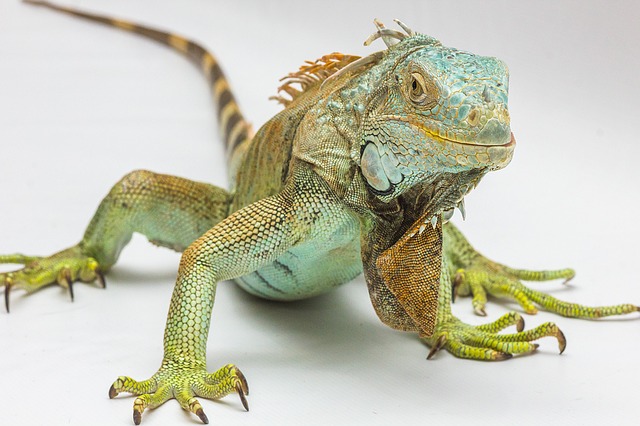
Tips to take care of an Iguana

Iguanas are cold blooded reptiles. They are not easy to care for and often die in captivity. They should never be purchased without careful consideration. Iguanas are very expensive to care for, you need to make sure that they have the proper heat and lighting conditions, that they are fed the correct foods, and that their cage offers them enough room to grow to their full 4–6 feet (1.2–1.8 m). If you are considering buying an iguana, think how it will cost to spend the majority of your money making sure they are properly cared for. They are not a throw away pet!


Give your iguana a lot of proper light. Iguanas need lots of natural special light so they can absorb U.V.B. and U.V.A light. U.V.A light keeps your iguana feeling good and helps reptiles have a good feeding response. U.V.B. light allows the iguana to digest their food and absorb vitamin D which allows them to absorb the calcium that they need to help prevent metabolic bone disease.The best source of U.V.A light is the sun or basking lights. U.V.B. light should be purchased at pet stores like Pet Smart offer fluorescent bulbs that are designed specifically for U.V.B. output. It is necessary to change out the U.V.B bulb every 6-12 "nine months is usually best" to keep your iguana healthy.

It is very important to provide adequate heat for your iguana. These reptiles are native to warm climates such as Central and South America, and they are not used to lower temperatures. When keeping an iguana as a pet it is important to have a heat lamp to keep the iguana warm. Average temperature needed on a day to day basis is between 80 and 90 degrees. Once you have a heat lamp in place it is important to make sure that you watch your iguana to see how they react to the heat. If they are constantly under the heat lamp it needs to be warmer, if they are never under the heat lamp it needs to be cooler. Nighttime temperature shouldn't drop below 75oF, daytime temperatures should be in the range of 85-95oF, with a hot stop between 97-99oF. Check your temperatures. These temperatures can be attained by use of heat lamps hooked up to a dimmer. Iguanas are cold blooded and cannot regulate their temperature like humans. Therefore when they get to hot or cold they move to where it is cooler or warmer. Do not allow your iguana direct access to the heat lamps as they may burn themselves. Electrically heated terrarium rocks, though aesthetically pleasing are potentially dangerous and should not be used.

Prepare your iguana's home. You'll need a nice large house for your iguana. An aquarium that you get from a pet store is not big enough, even for your baby iguana. A good size for an adult iguana cage is 3 feet (0.9 m) deep x 6 feet (1.8 m) wide x 6 feet (1.8 m) high. This will give even an adult iguana some space to move around.

Other things to consider include the need for large branches, as iguanas love to climb. As a way to regulate the humidity within the cage consider buying a humidifier to put moisture into the air. The most important thing to remember when buying or making your pet's home is that iguanas grow very fast.

Feed your iguana properly. Iguanas are vegetarians and a variety of dark green leafy vegetables will keep your iguana healthy. Recommended greens are -collard greens, mustard greens, alfalfa, dandelion greens, watercress. Iguanas do not eat head or iceberg lettuce as these have virtually no nutrition! Romaine lettuce is acceptable, yet iguanas also need a wide variety of other fruits and vegetables to maintain a healthy diet. These include -yucca root, snap peas, parsnip, papayas, okra, mango, kabocha squash, green beans, butternut squash and acorn squash "avoid citrus fruits though, as reptiles can't handle the acidity". For treats you can give them - dahlia, hibiscus, grapes, raspberries, strawberries, or whole wheat bread pieces "give them bread very sparingly though" and do not be afraid of giving your iguana some "Commercial Iguana Food". It does provide the nutrients they need. However, it is "highly" recommended to give them vegetables and fruits so they have a broad source of vitamins and nutrients they need as well as extra hydration. Iguanas need a constant supply of fresh, clean water to drink from! Be sure to change the water frequently, otherwise you risk having a sick lizard!

Multiple Iguanas- Not a good idea if in the same cage. Iguanas are by nature very territorial, in the wild they live on their own and only get together to mate. Having two or more iguanas in the same cage will usually cause them to become aggressive with each other leading to fights and injured iguanas. This can cause disease such as mouth rot. Mouth rot happens if the iguanas get hurt at the mouth and the wound gets infected. Likely you won't notice it for a while but he or she will eventually stop eating due to the infection. Mouth rot can also occur from bacterial, viral, and parasitic origins. Mouth rot can occur from incorrect cage humidity and temps, poor nutrition, or bacterial infection. You can tell right away if your pet has mouth rot by just looking at his mouth. If you see puss in the mouth "usually looks like cottage cheese" or any swelling on the jaws, its most likely a type of mouth rot. There are vast ways an iguana can be in danger of something going wrong but mouth rot can be more common due to improper cage setup. It is treatable, but do not wait until your pet is very weak to get him treated, otherwise it may be too late to save the iguana. Don't wait to treat a problem or your iguana may die. Do as much research as possible, and set thing up right the first time around. An iguana can become a wonderful pet if care is taken seriously, as these lizards can live 20+ years.

Tuesday, June 13, 2017

Owners Danger Mistakes 1 of 3


Letting Your Dog Walk You


A poorly trained dog can pull you over while you’re out for a stroll. According to the CDC, tens of thousands of people end up in the ER every year because of pet-related falls. Many of these falls occur during walks -- either when a person trips over a dog or is pulled or pushed by one. Experts say obedience training is the best way to make sure your pooch doesn’t take you down during the morning walk.

Overlooking Ticks


After a walk in the woods, you check yourself for ticks, right? Don't forget about your dog. Tick bites put your dog at risk for Lyme disease, Rocky Mountain spotted fever, and a handful of other diseases. They can also cause serious illnesses in cats. If your pet has infected ticks, this puts the rest of the family at risk. If you find a tick, remove it carefully with tweezers, being careful to get all of the head and not to crush it. Ask the vet about tick control.


Ignoring Ringworm and Roundworms


Ringworm life circle

If your pet has a round bald patch, ringworm could be to blame. Leave this fungus untreated, and you're putting your family at risk. People can get ringworm from dogs or cats by touching their skin or fur. Ringworm usually causes a reddish, ring-shaped rash on the skin or bald spots if it infects the scalp. If your pet has hair loss, take him to your vet to see if it could be ringworm.
Roundworms are common parasites in both dogs and cats. They cause diarrhea and vomiting and may lead to serious illness. But many people don't realize these worms are a threat to humans, too. An infected pet can contaminate soil or sand with tiny eggs. Kids may ingest the eggs by putting dirty fingers in their mouths. When the worms hatch inside people, they can cause blindness and other tissue damage. Ask your vet about regular deworming.

Skipping Flea Medicine


Skip your pets' flea medicine, and they aren't the only ones who will pay the price. Fleas will quickly set up shop on untreated pets, particularly in summer and fall, and fill your house with their eggs and young. Some people wind up covered in itchy sores. Fleas can also transmit serious diseases to people including bubonic plague. Ask your vet about long term flea medication and put a routine reminder on your calendar.

Not Spaying or Neutering Your Pet


Millions of cats and dogs live on the street or end up euthanized because of unwanted litters. Still, many people are reluctant to spay or neuter their pets. The fact is, spaying and neutering is a healthy choice for your pet. It reduces the risk of breast cancer in females and testicular cancer in males. Neutered males are also less likely to run away from home, mark their territory, or exhibit aggressive behaviors.

Keeping the Food Bowl Full


With the best intentions, some people keep their pets' food bowls full at all times. This is one of the most common mistakes pet owners make. The problem is that cats and dogs often eat more than they need. If food is constantly available, they will take in too many calories and put on too much weight.

Forcing Cats to Be Vegetarian


Vegetarian people sometimes want their pets to share their lifestyle. The trouble is cats are "obligate carnivores." This means they must eat meat to survive. They depend on nutrients, such as the amino acid taurine, that are only found in animal tissue. Dogs may be able to handle a well-balanced vegetarian diet, but check with your vet first.

Providing Too Little Exercise


Just like people, pets need exercise to stay healthy. Couch potato pets are prone to obesity, which raises their risk of respiratory problems and joint problems. The right amount of exercise for a dog depends on the breed and size, but vets recommend at least a half-hour each day. Taking brisk walks with your dog can help you get in shape, too.

Wednesday, June 7, 2017

Pet insurance Tips

Vets claim this inflation-busting rise is the result of the development of new drugs and medical technologies – which have helped many pets recover and live with conditions that would have proved fatal in the past.
But there have been concerns over some veterinary practices recommending additional check-ups or treatments to extract more money from the insurer.
With vets' fees rising sharply, the average single pet insurance claim now costs more than £600, with pet insurers paying out £1.3m in claims every day, according to figures published by the Association of British Insurers.
But is it always worth taking out cover? Or should you join the millions of pet owners who take the risk and don't get any cover at all?


How does pet insurance work?


Pet owners can choose from four main types of cover: "accident only", ''per condition with a time limit''; ''per condition''; and ''lifetime'' cover.

"Accident only": very basic cover

This insurance covers a pet if they need veterinary treatment after an accident, but not if they have an illness. Some policies may also have a time limit for the treatment and there is a fixed sum of money for each accidental injury to pay for the treatment.

"Per condition with a time limit": basic cover

The cover is one of the cheapest. It will pay vets' fees for accidents and illnesses, but only for a maximum of 12 months after your pet has been diagnosed.

Insurers of this type of cover will often impose a maximum payout, so, if the cost of a treatment reaches the limit, you will have to foot the remainder of the bill.

An insurer may provide a policy, for example, with a maximum veterinary fee of £2,000 and a time limit of 12 months. So, if the bill is more than £2,000 or you go after 12 months, you will have to pay the extra.

"Per condition, no time limit": mid-level cover

With ''per condition'' cover, insurers provide cover for a set fee limit, but do not impose a time limit for how long the treatment lasts. The cover will continue for any treatment as long as you renew the policy after 12 months. Re-occurring illness or injury will not be covered by this type of policy.

"Lifetime": high-level cover

''Lifetime cover'' is the most comprehensive type of pet insurance, but also the most expensive. Insurers will set a high maximum amount per year – say, £10,000 – but you will still have to renew the policy each year, and some insurers can refuse to renew it.

The policy will sometimes cover extras like dental fees or burial expenses.

For all types of cover, pet owners must pay the "excess", or first part of any claim themselves. You can choose to lower your premium rate by increasing your excess, or vice versa. Usually, there will be an initial flat-rate excess charge of around £50.

Peter Jones, president of the British Veterinary Association, said that all pet insurance policies had some exclusions. "The most common being pre-existing conditions, anything related to pregnancy or birth, and any routine, preventive or planned treatments such as vaccinations and spaying."

Almost all insurers will refuse to cover an animal with a pre-existing medical condition. If they do, the premiums are likely to be huge.


How much does it cost?


The price of pet insurance varies depending on where you live and your pet's breed and age.

For example, Rottweilers are one of the most expensive dogs to insure based on their breed's history of medical complaints.

If your pet has been neutered and microchipped, the premiums will often be reduced.


Should I take out pet insurance, or just take the risk? How do the prices compare?


It really is up to you. There is no NHS for pets, so even basic treatment can cost hundreds of pounds. For instance, the average cost of treating a dog injured in a road traffic accident is £674, and £300 for a cat.
More serious conditions such as hip dysplasia can cost more than £4,000. And bills can run up to more than £10,000 if the animal has cancer.

On the other hand, your pet could be lucky and only have to go to the vet a few times in its lifetime. As a result, the total spent on veterinary bills would be quite low.

If you chose to take out monthly insurance for your pet, for an animal's entire lifespan, say 12 years, at an average policy price of £50 a month, then you would end up paying more than £7,000 over the 12 years.

"Pet insurance is as much about peace of mind as it is about money. You may pay insurance premiums for years and never make a claim. But think about whether you could afford a huge vet's bill if your pet fell ill or had an accident in the short term," warned consumer body Which?

The tricks insurers use to trap their customers

Premiums for older pets rise rapidly year on year, leaving pet owners in an uneasy position. They could pay extortionate prices to have their pet covered; take Greg Rowan, who had to pay out £285 a month to insure his British bulldog Busby with M&S Bank, because of the dog's age and history of claims due to dermatitis and eye treatment. Or pet owners could leave their pet uninsured, and pay the vets' bills themselves.

Monday, May 29, 2017

Why i Groom my Pets


Sure, brushing your pet’s hair and cleaning his teeth regularly will help him look his best, but it’s also important for his health. Here, a guide to help you get started. A good brushing and teeth cleaning can do your pet a world of good! Grooming provides you a chance to go over your pet’s coat with a fine-tooth comb—or brush—to help you keep track of subtle changes in your pet’s skin. What’s more, regular nail clippings and teeth cleanings can prevent a number of unpleasant health problems.


Get the Right Tools

Using the proper tools will make the grooming process much easier and more enjoyable for both you and your pet. So before you get started, make sure you have the right brushes, combs, and clippers for the job. Ask your veterinarian which tools he recommends for your pet.

Brush Gently and Regularly

Spending a few minutes taking care of your pet’s hair is good for your relationship and will help remove dirt and dead hair from his coat, preventing mats and tangles. Your veterinarian can tell you how often you need to brush, based on the length and thickness of your pet’s coat, as well as your pet’s species and breed.

If you find a tangle or mat in your pet’s fur, don’t try to pull it out. The reason: Doing so is painful for you pet and he will quickly learn to avoid the brush at all costs. Nor do you want to cut matted hair out, as you could injure yourself or your pet. Instead, head to a pet retailer and pick up a special brush or comb designed to split or remove mats. If you don’t think you can succesfully solve the problem yourself, consult with your veterinarian or a reliable groomer, who should be able to take care of it for you.

Consider a Bath

Depending on your pet’s species and the type of hair he has, regular baths may be a good idea. While letting your pet soak in the tub can help keep his skin healthy and remove excess oils and odor-causing dirt, it may be overly stressful for some pets, so talk to your veterinarian before you try.

Your veterinarian can recommend a specific shampoo, or he may suggest simply bathing your pet with water. He can also help you create a bathing schedule that’s appropriate for your pet’s skin and coat.

Trim Those Nails

Keeping your pet’s nails at the appropriate length helps avoid overgrown nails and other painful conditions, and can help prevent accidental injury to you, your pet, or your furniture. Plus, trimming your pet’s nails gives you an opportunity to inspect his feet for problems like swelling, cracked pads, or matted fur. Ask your veterinarian how to trim your pet’s nails safely.

Don’t Forget the Ears

Some pets, particularly large dogs, may benefit from a regular ear cleaning. Talk to your veterinarian if you think your pet may need to have his ears cleaned.

Get a Toothbrush

Regular tooth brushing is recommended for dogs, cats, and some other pets to prevent periodontal disease, which is now being recognized as a widespread health problem for animals.

Experts agree that it’s best to start brushing your pet’s teeth at a young age to get him accustomed to the process. Consult your veterinarian about how to introduce your pet to his new toothbrush, and make sure you’re using a toothpaste that’s safe for your pet. It’s also smart to let your veterinarian know if your pet has bad breath, as this is often a sign that your pet may have dental problems.

Friday, May 5, 2017

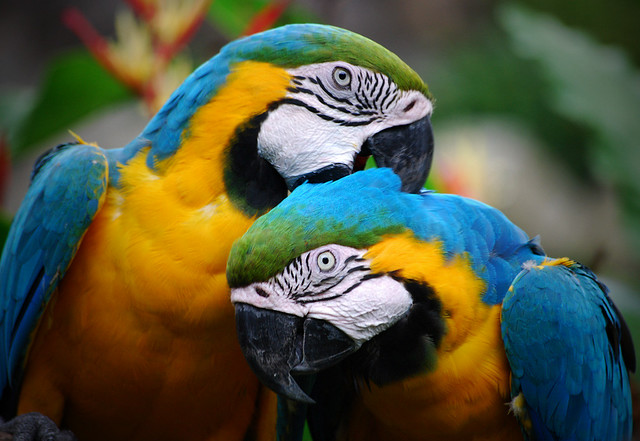
Tips for Caring for a Parrot

A growing number of people are discovering that parrots make the perfect pet. Parrots are really beautiful, fascinating and super smart creatures. However, you need to learn about caring for them before running out to the breeder and buying the first parrot that you see. Here are a few useful tips for caring for a parrot.

Tips for Caring for a Parrot


Be ready for a messy and noisy house


Parrots toss fruit peels, seed casings, their toys, and the area around their cage can get very messy. Moreover, there’s also the matter of feathers and droppings. A large parrot can make lots of noise. Whether they are yodeling a country song or yelling nonsense, you cannot count on your parrot to be quiet just because you want to take a nap. Putting them in your garage or shutting them away in an isolated room is not a good option. In this way your parrot will become emotionally disturbed and can behave psychotically.


Consider location and temperature


Although parrots are social creatures, every parrot may have different needs. So depending on your parrot’s temperament, place the cage in the area where your bird will often interact with you. A kitchen is a bad place since cleaning and odors from cooking can be very harmful to your parrot! Parrots can tolerate a wide range of temperatures, so if you keep your house at a comfortable temperature for yourself, your parrot will also be comfortable. Temperature stability is the most important factor. Fluctuating temperatures can have a big effect on your parrot’s health.


Vary your parrot’s diet


No one likes to have the same thing every single day. Your parrot needs a varied diet with a wide range of nutritional value. Don’t feed your parrot seeds only. Discuss with your veterinarian what a better diet for your parrot. It’s usually agreed that a parrot needs a mix of seed, pellet, fresh leafy greens, veggies, legumes, grains and some fruits. Keep in mind that parrots must never be fed chocolate, avocado, alcohol, caffeine, salty or sugary snacks.


Keep an eye on claw, beak and feather health


When your parrot’s claws grow too long, go to a vet to trim them. Never try to do it by yourself since parrots have a very active blood supply to their claws and a cut could lead to a blood loss. Feather and beak condition are a great indicator of health. A lot of parrot deficiencies and diseases show up as poor feather condition or malformations of the beak. If your parrot shows change in feather or beak condition, see your vet as fast as possible.


Teach your parrot to talk


If you want your parrot to talk, you’ll need to spend a lot of time teaching it. If intense, limit your teaching sessions to 15 minutes at a time or just repeat the same words and phrases a few times during your ‘lesson.’ Parrots usually mimic the things they hear most often. Keep the phrases short, two or three words usually work best. After your parrot has mastered some words and phrases, you can teach it some useful communications.


Clean the cage


The bottom of the cage must be cleaned every two days, if your parrot is not too messy. Replace any liners and discard any seeds, shells, gravel, etc. Clean all of the toys in the cage. It’s also recommended to clean up any mess that does not require too much time once a day. Make sure you use a bird-safe disinfectant, which you can buy in your local pet stores.


Replace toys in different places


Once you’ve finished washing the cage, put your parrot’s toys back inside, replacing them in different places. Parrots are very intelligent and intensely curious, and unlike dogs and cats, they like changing stimuli.


Regularly visit the vet


While some parrots can be absolutely healthy forever, most of them still have some health problems, which could be solved with preventative veterinarian consultations. However, make sure your vet is one who sees parrots specifically or you’ll just be wasting your money.


Do you have any other tips for caring for a parrot? Feel free to share them with us in the comments section.

Wednesday, March 1, 2017

How much exercise does my puppy need?


Humans need exercise to feel better, look better and live a healthy life. And the dogs in our lives are no different. Dogs are built for activity. In fact, stray cats and dogs can travel 20 to 30 miles (32 to 48 kilometers) a day. Their domesticated counterparts certainly don't need to cover that much ground every day, but they still need to be regularly moving on all fours.
Daily exercise is good for both your pooch's mental and physical well-being. Exercise can help your baby dog avoid arthritis and other problems with his joints later on in life. Dogs are also prone to the same types of obesity-related illnesses as humans, so exercise is crucial to helping them keep off the pounds. Basically, getting your dog in the habit of regular physical activity while he's young is the cornerstone to a long healthy life and helps his physical development.
Puppies also need exercise for mental stimulation (SEE MORE). Moving around keeps them from becoming bored and mischievous. Many owners find that taking their dogs out for regular outdoor play and walks cuts down on behavioral issues like incessant chewing and digging and nonstop barking that make owners want to pull their hair out.


How Much is Enough?


Make sure you're consistent with the amount of exercise your puppy gets. You need to help him build his stamina, and the only way he can do this is by exercising regularly but with caution. At the puppy stage, he's much too young to be doing the rigorous activities that he will be more able to do as he grows older.The amount of exercise your puppy needs depends on his age, breed and medical condition. Not every breed will be up for a long walk through Central Park. Some breeds are just not built to go the distance, while others are always ready to romp. Some of the breeds that need the most exercise are Border collies, Labrador retrievers, Jack Russell terriers and Dalmatians.
Puppies need five minutes of exercise per month of age up to twice a day, according to the U.K. Kennel Club. In other words, a 3-month-old puppy will need 15 minutes of exercise while a 4-month-old will need 20 minutes. This may take the form of low-impact activities like swimming or playing with small dog exercise balls. You can also take your puppy out for short walks on a leash. However, if he starts to sit down, give him time to rest. If he does not start walking again, you may have to carry him home. Most adult dogs should participate in some form of physical activity for at least 30 minutes and up to two hours every day. Your puppy's genetics will determine when it's time to move her up to adult dog exercise. If she won't get any larger than 25 pounds (11 kilograms), then she can start at around 9 months. If she'll end up weighing between 25 to 100 pounds (11 to 45 kilograms), it's best to wait until she's at least 14 months old. If she'll be tipping the scale at 100 pounds (45 kilograms) or more, you can introduce these activities to her when she is at least a year and a half old.

So, how will your pooch feel after exercising? Pretty much the same as you and I feel after a great workout. Taking your puppy on a nice short walk or letting him play in the yard translates to a calmer canine that will more than likely sleep very well that night.

Wednesday, February 8, 2017

Tips To Improve Your Dog’s Diet Today

Improve Your Dog’s Diet Today


Deciding what to feed your dog – or anyone in your care for that matter, isn’t something you should take lightly. 

Apart from exercise and mental health, diet is the biggest contributor to wellbeing. The eating habits we set up can mean the difference between a long and healthy life and programming our loved ones for failure.
I’d like to share with you some of the most important principles that I apply in pursuit of the perfect canine diet. I lead by example; all three of my dogs are lean, healthy and energy filled cuddle-monsters.

My aim is to inspire you to produce your own dog’s meals. If you’re happy with the current food you’re feeding, then incorporating even some of these suggestions will benefit your dog. Remember, it doesn’t have to be all or nothing. Do what you can, when you can. Some change is better than no change.

Here are my top tips to improve your dog’s diet today…


1. Discard the marketing hype and take the label test


No matter how entertaining, relying on advertisements for nutritional information is not ideal. Why? Because the people that produce the ads didn’t formulate the food. Their job is to make even the worst products appear healthy.
Carefully examining the labels on your dog’s food and treats will help you make more informed purchases.
Product labels always list the ingredients in order, from the largest to the smallest.
Google-search each of the first five ingredients. First, type in each ingredient followed by “bad for dogs” and then “good for dogs.” The results may surprise you.
When you start researching, you’ll soon see why I’m against prescription foods sold by vets. They may suit a diagnosed condition but can cause many other problems (and that’s not even taking into account the cooking processes or packaging).
Discuss the ingredients with the person or company recommending the products. If they can’t explain what each ingredient is, its source, why and how it’s good for dogs, then rely on your own research and judgment.

2. Avoid feeding shelf-stable foods as a staple diet


Thanks to clever marketing, the average consumer often overlooks the alarming reasons why processed food has a 12 to 24 month shelf life.
Marketing has conditioned us to believe that shelf-stable foods provide everything dogs need to live long and healthy lives. Actually, the opposite is true. While there will always be the rare exception to the rule, don’t count on your dog being one of them.
Shelf-stable products have no live enzymes due to their industrial cooking processes. They’re dead foods that rely on synthetic supplementation to meet the supposedly “balanced” nutritional standards set out by AAFCO.
My gripe with these products is not that they exist, but the way they’re marketed … as a staple, daily diet. After all, if we could pack all the nutrition the body needs for optimum health into a pellet or a can, then there would be thousands of companies out there producing human “food” and promoting it as a staple diet.
Biscuits, kibble and canned foods have their place – in shelters, charities, on long trips, or on occasions when we’re pressed for time – but they should not be fed as a staple diet.

3. Introduce fresh whole foods


Fresh whole foods such as vegetables and fruit are full of live enzymes and will add a new dimension to your dog’s health. Whole foods are also full of fiber, which aids digestion, encourages pooping and improves stools.
Many of the nutrients are destroyed by the cooking processes that create shelf-stable foods. So the manufacturers add synthetic nutrients back into the products. These nutrients are synthetic imitations of those found in nature … and this is the vast difference between whole foods and industrially-produced foods.
Unlike most synthetic nutrients, whole foods contain nutritional co-factors that work synergistically to help the body absorb, assimilate and make use of nutrients.
You are not simply what you eat, but more importantly, you are what you can absorb. Do your own research on safe whole foods for dogs. There are certain fruits and vegetables that dogs must avoid; also, you’ll be amazed at which parts of the vegetables are the most nutritious. For example, broccoli stems contain more nutrients than the head, and beetroot leaves are full of goodness.
Puree vegetables for maximum nutrient absorption or feed whole as a bone substitute for teeth and gum maintenance.

4. Feed a variety of ingredients rich in antioxidants and anti-inflammatory properties


Inflammation is a major cause of disease so it’s important to research all ingredients in your dog’s diet, along with the manufacturing processes. Inflammation is the leading cause of premature aging, not only in dogs, but in people, too.
As you’re probably now aware, processed commercial foods are inherently inflammatory. Pancreatitis and arthritis are common when you feed processed food too often.
If you must use commercial food it’s best to at least offset its ill effects by adding naturally anti-inflammatory whole foods into the mix. Whole foods high in antioxidants also help reduce inflammation in the body.
Keep your dog young and healthy by feeding a variety of whole foods that are high in antioxidants and anti- inflammatories.

5. Avoid cooking meats


All species on the planet eat raw food except for humans. When we cook our food to please our palates, we lose many beneficial nutrients. It’s the same when we cook food for our dogs. While certain whole foods may release more nutrients once cooked, it’s best to avoid cooking meat for your dog whenever possible.
Irrespective of the stated nutritional values, here’s one of many reasons why commercial pet foods are fundamentally flawed:
“When the muscles of mammals, fish, or birds are cooked at high temperatures, carcinogenic chemicals called heterocyclic amines are created that may increase the risk of breast, colon, lung, pancreatic, and prostate cancer. Risky cooking methods don’t just include barbequing, frying, and grilling. Even just baking chicken at around 350 deg F for 15 minutes leads to significant production of these cancer-causing compounds.”
-Michael Greger MD
If you prefer to cook meat for your dog, just lightly sear it instead of cooking it through.

6. Use certified organic vegetables and fruit when possible


Many of the non-organic fruit and vegetables on the market are genetically modified, and with no labeling laws in place it’s impossible to know exactly what we and our dogs are eating. Although approved for human consumption, evidence suggests that genetically modified foods are not safe. If you’re concerned for the wellbeing of your family and pets, I encourage you to investigate the GMO issue for yourself.
“The process of genetic engineering can disrupt the functioning of the DNA in dramatic ways – it can turn genes off, permanently turn them on, change their levels of expression, and create all sorts of unpredicted allergies, toxins, carcinogens, nutrient problems etc.”
– Jeffrey Smith, Author, Seeds of Deception
Dogs’ lifespans are typically about one-eighth the length of human lifespans. The health problems we see emerging in dogs exposed to GM foods today will no doubt be seen in people in many years to come.
Findings show that 5th and 6th generation offspring of lab mice are affected by the genetically modified food consumed by their ancestors.

7. Wash non-organic produce in apple cider vinegar


We can’t always afford or find organic produce so we have to make what we can get safer.
Plants produce allelochemicals, which help prevent toxic substances including pesticides from penetrating their surface. You can scrub the pesticides off non-organic fruit and vegetables with a clean soft brush while soaking them in one part apple cider vinegar and four parts water for a minute, then rinsing.

8. Avoid gluten


Have you ever joked about how smelly your dog’s farts and poops are?
Many dry pet foods contain gluten meal. This dried residue made from corn is added to pet food to prevent inferior, unstable fats from becoming rancid; this causes waste products to be retained and can strain the liver and kidneys.
Corn gluten even in small quantities may harm your dog’s organs; to make matters worse, GMO corn is often used in pet food.


9. Replace rice with organic green lentils


Dogs don’t need grains at all to be healthy. They don’t eat them in the wild, and most are allergic to wheat. When a dog has an upset tummy it baffles me why many vets still recommend boiled chicken and rice.
A great protein-rich substitute is green lentils. Just like rice, green lentils require boiling, so your preparation time is similar. It’s best to soak them first and rinse before cooking, then rinse again after cooking.
Lentils are one of the most nutritionally valuable leguminous plants. They have the highest protein content. They’re also rich in fiber and minerals, particularly iron and magnesium.
They’re rich in lysine, an essential amino acid that can help boost the immune system. It can prevent and treat cold sores, herpes and shingles in humans. Athletes also take it to improve performance.

10. Add raw coconut oil as a source of fat


Unlike animal fats and other vegetable fats, raw coconut oil (virgin cold-pressed) is truly unique. While it’s high in saturated fat, it’s a healthy saturated fat that mainly contains medium-chain fatty acids that the body doesn’t store.
Coconut oil can help you manage your dog’s weight. Raw coconut oil goes straight to the liver where it gets converted into energy. The more energy your dog has, the more he exercises; the more he exercises, the leaner he stays; the leaner he stays, the less chance of obesity-related diseases.
Note: you will still need to provide your dog with a source of Omega-3 fatty acids. Since fish oils can turn rancid very easily, consider sources of Omega-3 oils like chia seed, flaxseed or hempseed. You can also add small amounts of (preferably fresh) sardines.

11. Do not over-feed … and limit treats


Feed your dog according to whether he needs to gain or lose weight. If he’s overweight, feed him earlier in the day so he has more time to work it off. If your dog needs to gain weight then feed more regularly and especially before bedtime, preventing the dog from burning off those calories.
Within reason, don’t worry about your dog being too skinny. It’s ok for your dog to be very slim, especially in his younger, more active years. As he grows older, he’ll gain weight more easily, so don’t set him up for failure by trying to make him heavier too early – it will come naturally over time
Just like marketing gurus once convinced mothers they should be putting snacks in their children’s lunchboxes, they’ve tricked dog owners into believing that giving our dogs treats is normal. The worst part is that it’s near impossible to find ready-made healthy treats.
So let me ask you… when you’re feeling guilty for not spending enough time with your dog, is compensating with a treat about how you feel or about how your dog feels?
Without realizing it, many of us are slowly poisoning our dogs with treats. It can be easy to spot the dog who gets far too many treats – usually it’s the obese one. If you’d like to feed treats, consider making fresh and healthy treats at home. Dried coconut flakes are a great choice.
It’s fun to give dogs treats, but use them sparingly. Lean dogs are healthier dogs.

12. Get creative for teeth and gum health


Some commercial treats claim to benefit teeth and gum health but their unhealthy ingredients and cooking processes can cause other health problems. Marketing does it again!
If you ask any dentist how to best keep teeth plaque-free and gums healthy they’ll recommend brushing. The same rules apply for dogs.
It isn’t always possible or practical to brush your dog’s teeth so bones come in a close second. Gnawing on raw bones will help keep your dog’s teeth sparkling white. 
Another good solution is to give your dog whole foods like carrots and zucchini to chomp on. You see, it’s all about the rubbing and sloughing action on the teeth.
You can make fresh treats for your dog to gnaw on to help remove plaque. Try cutting some holes in vegetables and cover them with melted raw coconut oil. Place in the freezer for five minutes then serve.
These treats can also satisfy a dog’s need to grind and chomp, and they aren’t as harsh on teeth as bones. Be warned – there will be bits of vegetables everywhere … but that’s ok, you’re not feeding these primarily for nutrition purposes.
In the unlikely event your dog rejects these natural treats at first, don’t give up. Play games with the treats, throwing them to encourage a fetching game, or even play hide and seek.
Raw coconut oil also acts as a wonderful canine toothpaste because it has antiviral, antibacterial, and antifungal properties – plus most dogs love the taste!
Allowing your dog to lick hardened coconut oil off a bowl for 20 seconds after each meal is a great way to help with bad breath.

13. Rethink your water


Water is the most important aspect of a healthy diet yet it’s the most overlooked. There are well over 150 chemicals in most tap waters, depending on where you live.
We can argue all day about the safety of that healthy, naturally-occurring stuff called fluoride, or we can shift our focus towards its nasty, toxic waste version that’s in our water supply … hydrofluorosilicic acid.
97% of Europe refuses to put it in their water supply. It’s a byproduct of fertilizer manufacturing and it contains traces of arsenic and lead, and also increases the body’s uptake of aluminium.
Of course all homes should have a water filter to remove unwanted chemicals but in an ideal scenario having pure water to begin with is better.
I prefer to pour an imported alkaline water for my dogs (Saka is a good brand if you can find it) and it’s the only water they drink. While feeding alkaline water to dogs may go against the grain, I can see the benefits.
A very cost effective alternative to water filters is Willard Water® – one of the most unusual products you’ll ever find. In essence it is just water, but add a few drops of it into your dog’s water bowl and special things start to happen. It purifies water, makes it alkaline, and also helps with nutrient absorption, among many other benefits.

14. Wash bowls with vinegar


A good white vinegar is a chemical-free alternative to commercial cleaning products. Among other things, you can use it to wash your dishes and clean surfaces, including dog bowls and floors. It disinfects and is odorless when dry.
Dogs can be sensitive to commercial cleaning products so replace as many of these as possible with natural alternatives. Apart from vinegar, you can Google search organic and safe, ready-made cleaning products.

15. Take Charge


You know your dog better than anyone so it makes sense that you should be in control of your dog’s diet.

Tuesday, January 31, 2017

List of Possible Foods to Feed for Rabbits

NOTE: It is always preferable to buy organic produce if at all possible. If collecting wild foods such as dandelion greens, make sure they are from a pesticide-free area. All fresh foods regardless of the source should be washed or scrubbed (in the case of hard vegetables) before serving them to your rabbit.


LEAFY GREENS


These foods should make up about 75% of the fresh portion of your rabbit’s diet (about 1 packed cup per 2 lbs of body weight per day).
Leafy Greens I (need to be rotated due to oxalic acid content and only 1 out of three varieties of greens a day should be from this list)

Parsley
Spinach
Mustard greens
Beet greens
Swiss chard
Radish tops
Sprouts (from 1 to 6 days after sprouting, sprouts have higher levels of alkaloids)


Leafy Greens II (low in oxalic acid)


Arugula
Carrot tops
Cucumber leaves
Endive
Ecarole
Frisee Lettuce
Kale (all types)
Mache
Red or green lettuce
Romaine lettuce
Spring greens
Turnip greens
Dandelion greens
Mint (any variety)
Basil (any variety)
Watercress
Wheatgrass
Chicory
Raspberry leaves
Cilantro
Radicchio
Bok Choy
Fennel (the leafy tops as well as the base)
Borage leaves
Dill leaves
Yu choy


NON-LEAFY VEGETABLES


These should be no more than about 15 % of the diet (About 1 tablespoon per 2 lbs of body weight per day).

Carrots
Broccoli (leaves and stems)
Edible flowers (roses, nasturtiums, pansies, hibiscus)
Celery
Bell peppers (any color)
Chinese pea pods (the flat kind without large peas)
Brussel sprouts
Cabbage (any type)
Broccolini
Summer squash
Zucchini squash


FRUITS


These should be no more than 10% of the diet (about 1 teaspoon per 2 lbs of body weight per day). NOTE: unless otherwise stated it is more nutritious to leave the skin on the fruit (particularly if organic), just wash thoroughly. IF you are in doubt about the source of the fruit and you are concerned about chemicals in the skin, then remove it.

Apple (any variety, without stem and seeds)

Cherries (any variety, without the pits)
Pear
Peach
Plum (without the pits)
Kiwi
Papaya
Mango
Berries (any type)
Berries (uncooked)
Pineapple (remove skin)
Banana (remove peel; no more than about 2 1/8 inch slices a day for a 5 lb rabbit…they LOVE this!)
Melons (any – can include peel and seeds)
Star Fruit
Apricot
Currants
Nectarine

Monday, January 2, 2017

Be Aware Pet Food

Be Aware what you feed your pets


pet food pug
Grains can be a long-term source of energy and energy storage for dogs, but they can also be used as a cheap filler in order to boost the food's protein percentage. Watch out! Any grain you feed your dog should be used in whole form so that it supplies more fiber, vitamins and minerals. The best grains for dogs (when used in the proper percentages) are rolled oats, barley, quinoa, millet, and brown rice.Often, low quality dog foods will list a meat ingredient first, which will be followed by several by-products and fillers. In this case, although meat is listed first, there are actually MORE fillers, which changes the ratio noted above.

A well-planned vegetarian diet can work for dogs, although dogs are carnivores by nature. Dogs need animal protein. Would a dog naturally be vegetarian? No. Most veterinarians and holistic practitioners agree that although a dog can survive on a vegetarian diet, they may not thrive on it.

Be aware that while preservatives may be necessary to keep the food edible, preservatives do not have to be artificial chemicals that might be cancer-causing agents. Avoid pet foods that use chemical preservatives BHA, BHT and Ethoxyquin. Vitamin E & vitamin C are great preservatives that are much better for your dog.
Choose Premium Brand dog foods instead of Economy Brand dog foods. The cheapest ingredients are rarely the healthiest ones.

Go holistic. Holistic foods are 100% natural and 100% nutritious. They contain human-grade ingredients. One holistic pet food manufacturer provides anFREE online video "The Truth About Pet Food" you can watch here. (Actually, the term "human-grade" is a marketing technique. As is "holistic". To be able to MARKET a food as "human-grade" the food has to be run through a series of trials and tests that AAFCO officiates. If the food does not pass ALL of these tests and trials it is actually illegal to put the term "human-grade" on the bag.)
Some may consider this rule of thumb: If you wouldn't eat it, your dog probably shouldn't eat it either. (Think animal fat and added salt or sugar.) But there are some things you would eat (such as chocolate, grapes, raisins, white flour and onions) that are NOT good for your dog. Don't make the mistake of thinking all human food is appropriate for your canine. Canine and human nutritional needs and likes differ, such that what is appropriate and appealing for your dog may not be something you care to eat. In addition, some ingredients considered undesirable by US consumers (eg, bi-products) are enjoyed by humans in other cultures.

Friday, December 30, 2016

How to Choose a Vet for Your Pet


 veterinary
As soon as you get a pet, you need to make sure you have a good vet. Start looking for a veterinarian once you know you are getting a pet and long before you actually need one for an emergency situation. It is a good idea to know where to take your animal if you have any kind of problem, instead of searching for someone suitable in an emergency. Choosing a vet can be a big decision. Don’t just go with the first person listed in the phone book. Instead, take the time to find the one who works well with your pet and is trustworthy. Here are a few tips on finding the perfect doctor for your pet.

Find a vet that is experienced with your pet’s species


If you have a dog or a cat, nearly any vet can handle them. However, if your pet is a little more exotic, such as a snake, ferret or parrot, it may be more difficult to find someone who has experience with this type of animal. You don’t want a doctor who will be guessing at treatments, so look for someone who has plenty of experience treating your pet’s species.

Take your pet for a checkup


One of the best ways to see how well a veterinarian interacts with your pet is to go in for a checkup. You will get a much better feel for the doctor this way and you can also see how your pet reacts. If you’re not pleased, you can look for someone else before there is an emergency situation.

Find out if there are multiple vets working at the clinic or hospital


It can be very useful to see a vet in a clinic where there are multiple pet doctors. If one is out sick or on vacation, you won’t need to seek out someone new. It’s a good idea to try and meet everyone who works in the clinic so you’ll know who the backup is for your regular vet.

Ask for recommendations


Have friends with the same kind of pet? They should be able to recommend a vet to you. Recommendations usually work out better than a simple ad in the newspaper or a listing in the Yellow Pages. Your friend can let you know what they like about their veterinarian and give you tips for meeting them.

Look for reasonable rates


Even if you have an exotic pet, you don’t want to pay extreme rates. Check out prices early on in your search and eliminate vets who don’t offer reasonable pricing. You can often find out what a vet charges with a simple phone call. Ask about pet visits and overnight stays to get a better picture of the pricing models.

Horse Vet

Avoid unprofessional clinics


Everything about the vet’s office should be neat and clean, including the vet. If the staff seems disorganized or messy, you probably don’t want your pet being cared for at the clinic. The waiting room and exam rooms should all be spotless and without unpleasant odors. Ask for a tour of the space so you can check out the animal holding areas and procedure rooms as well.

Stick with a vet who can take on emergencies


Not all vets handle emergencies, so look for one who does. This will eliminate many of the stress factors when a pet is sick or injured, as you will know exactly who to call and where to go. This is something you should ask in the first phone call to determine whether or not it is worth seeing the pet doctor.

Shop around


There is no reason to stick with the first vet you see. Instead, take the time to meet several veterinarians and check out multiple clinics in the area. Small towns may not have many options, but if you can meet more than one vet, you will be in a better position to choose the right one.

Location matters


A convenient location is another factor in choosing a clinic to use. Keep in mind that if your pet is very ill or badly injured, you are not going to want a long drive ahead of you. It’s a good idea to find a vet within 30 minutes of your home, if possible. The clinic should also be easy to find, with parking close by so you can get an injured animal inside as quickly as possible.