Translate

Showing posts with label Breeds. Show all posts

Saturday, October 14, 2017

Which Is Better For Your Pup? Collar Vs. Harness

If you’ve been around dogs for a long time, you’ve probably walked a pooch that tugs pretty hard on the leash at some point. They pull against the tension, choking themselves on their collar, and you might think that getting a harness will solve that problem. You may be right, but there are important pros and cons to consider when deciding between using a collar or a harness.

So, when to use...


If your dog does not pull on leash and has no trachea or respiratory issues, then a collar is a good option for everyday. Large or small, it really doesn't matter. The only time a traditional collar is not recommended is for dogs that pull, lunge, or are at risk for tracheal collapse.

Collar


I Use this Kind often. Buy its amazing
http://amzn.to/2gCXIGf
If you’ve been around dogs for a long time, you’ve probably walked a pooch that tugs pretty hard on the leash at some point. They pull against the tension, choking themselves on their collar, and you might think that getting a harness will solve that problem. You may be right, but there are important pros and cons to consider when deciding between using a collar or a harness.
Collars are certainly the most traditional approach when it comes to walking and training dogs. Most people are familiar with the signature, necklace-like collar, however, collars come in alternate forms like the metal choke collar (not recommended) and the martingale. We don't necessarily recommend the metal choke collar or its cousin the pinch-prong collar. These styles can be potentially harmful for your dog and we feel there are more positive ways to train without choking your dog to get his/her attention. The best options are really your classic collar and martingale.


Collar Pros:


– They’re good for pups who dislike the feeling of a harness and crave comfort.


– They provide visibility and function.  “Collars are the most convenient to slip on and off and are handy because they can hold your dog’s identification, rabies, and license tags.”


Collar Cons:


– They’re not ideal for training.

– Any slight pulling could increase the likelihood of a neck injury.

– They create eye pressure. Dr. Yin explains: “According to a study in the Journal of the American Animal Hospital Association in 2006, pressure generated when dogs pull while wearing these collars raises the pressure in the eye. As a result, it may worsen the clinical signs or disease progression in dogs with glaucoma.”

– Positively also outlines more severe problems such as thyroid issues (the collar could damage the gland), behavior problems due to pain and injury, and ear and eye issues from neck pressure.


Using A Harness


Harnesses are becoming more and more popular as dog owners discover the advantages they can offer. They are great training tools for puppies learning to behave on leash, and they allow walkers to have a bit more control. Harnesses discourage pulling and allow you to stop your dog from jumping up on strangers without worrying about choking. Dogs on harnesses are also less likely to be tangled up in the leash accidentally.
Another advantage harnesses have over collars is that they reduce the risk of neck injury, especially for delicate toy breeds.
They also cause less restriction for breeds like Pugs and French Bulldogs that are prone to respiratory problems or tracheal collapse. If your pup has any trouble breathing, a harness is likely the best choice. Collars can also cause certain breeds’ eyeballs to protrude from their sockets if too much pressure is applied to the neck.


Harness Pros:


– It’s an effective training tool, especially for puppies.
– Harnesses are great for specific breeds. “A harness is also a good option for dogs like pugs, who risk their eyeballs protruding from the sockets if too much pressure is put around their neck.”
– They provide better control over your dog because it discourages pulling and jumping.
– They keep distracted pups focused.
– They’re great for dogs with short noses, like Pugs.
– Dogs with respiratory problems and neck injuries benefit from harnesses. points out, “Tugging and pulling on a collar puts extra stress on windpipe and will provoke a severe coughing episode.”


Harness Cons:

– Dog might not like the feeling of a harness.
– Back-clip harnesses might not be 100% effective. “These harnesses actually help train your dog to ignore you and pull you because when you pull on the leash to try to gain some control, they direct the dog’s attention away from you.”


Friday, August 11, 2017

Turkish Angora Cat

One of the most outgoing and affectionate of all cat breeds, the rare and beautiful Turkish Angora has a fascinating history and is considered a national treasure in its native land. Many Turkish Angora owners in the United States consider their cats a treasure as well!
Turks are not only intelligent, but extremely adaptable, loving and playful, which makes them an excellent choice for families with young children, and lively companions for senior adults. They readily accept dogs and other animals, but their assertive natures often make them the “alpha” pet in the household.
Elegant, finely-boned creatures, Turkish Angoras are graceful, energetic and usually the first to welcome visitors into your home. It is also not unusual for a pet Turk to act as the “host” at a party or other gathering, inspecting and interacting with every guest. It is no wonder that they are often considered “dog-like!”


The Turkish Angora’s soft, silky coat rarely mats and requires only minimal grooming. Most breeders recommend combing once or twice a week with a fine-toothed comb or slicker brush to remove excess hair and keep the coat looking and feeling its best. Like all long-haired breeds, they lose some coat during the summer months, when more frequent combing may be needed to prevent hairballs. Most likely, the breed originated in the mountainous regions of Turkey, where it developed an unusually soft, medium-long coat for protection against the harsh winters. Possibly it evolved from the Manul cat, a small feline domesticated by the Tartars. This pure, natural breed can trace its written history as far back as 16th-century France. However, in the early 1900s, it was used indiscriminately in Persian breeding programs and virtually disappeared as a separate breed.


For many years, all longhaired cats were referred to simply as “Angoras.”Angora CatFortunately for cat lovers, controlled breeding programs had been set up in Turkey to preserve this living treasure. There, in the 1950s, at the Ankara Zoo, the Turkish Angora was discovered by American servicemen and re-introduced to the cat fancy. All Turkish Angoras registered by CFA must be able to trace their ancestry back to Turkey.
Although the first import on record arrived in the U.S. in 1954, it was not until the mid-1960s that the breed became numerous enough to seek recognition from CFA. White Turkish Angoras were accepted for registration in 1968, for Provisional Breed competition in 1970, and for Champion-ship competition in 1972. The first CFA grand champion, GC NoRuz Kristal of Azima, came in 1976. However, it took another two years before colored Turkish Angoras were permitted to compete in Championship with their all-white siblings.

Friday, June 23, 2017

Owners Danger Mistakes 3 of 3

The idea that cats thrive on milk is a myth. In fact, the opposite is often true. Most cats are lactose intolerant, meaning that they can't properly digest the sugars in milk. This can result in diarrhea. While some cats can digest milk with no problems, they don't need it. So most vets recommend skipping the milk.

Letting Dogs Eat Spoiled Food


Your dog may be tempted to rifle through the neighbor's garbage in search of a treat, but don't let her! Food gone bad is no healthier for pets than it is for people. Dogs who eat garbage are at risk for bacterial food poisoning or irritation of the pancreas. Spoiled food may also contain toxic mold, which can cause vomiting, severe tremors, seizures, and death.


Giving Bones to Dogs


We may think of bones as a wonderful treat for dogs, but the FDA paints a different picture. The agency warns that chewing on bones can injure the teeth, tongue, or mouth. Bones can also get stuck in the digestive tract, where they will have to be removed with surgery or an endoscope. If your dog likes to chew, ask your vet about safer alternatives.


Feeding Dogs Table Scraps


It can be hard to resist a dog that's begging at the table. You look into those big eyes and want to share your food with your pet. But rewarding your dog's barks or whines will only encourage more begging in the future. And then you can forget about quiet dinners with your family. If you want to share table scraps as an occasional treat, do it away from the table -- and use the food as a reward for good behavior. Also, some human foods can be toxic to pets.


Feeding Cats Only Dry Food


Cats have a low thirst drive by nature, so they may not drink enough to stay well hydrated. Chronically underhydrated cats could be at risk for urinary tract disorders. Encourage more drinking by adding a water fountain designed for cats. There is also a prescription food by Royal Canin (Urinary SO) that is a dry food that encourages pet to drink. Canned food is generally about 78 percent water and is a good option too, but not needed by every cat. A fluid-rich diet is particularly important for cats with a history of urinary tract problems.


Giving Up a Cat During Pregnancy


Some women are advised to give up their cats during pregnancy, but is this necessary? The concern is an illness called toxoplasmosis, which is caused by a parasite found in feline stool. If a woman is newly infected during pregnancy, her fetus could be harmed. But most people who have cats already have antibodies to protect against toxoplasmosis. The CDC advises pregnant women to keep their cats but avoid handling cat litter if possible.


Having No Disaster Plan


If an emergency forces you to evacuate your home, what will you do with your pets? Leaving them behind is not an option if your community is threatened by fire, flooding, or hurricane-force winds. And not all Red Cross shelters allow you to bring your pets. It's best to identify pet-friendly shelters and motels ahead of time, so you can keep your pets with you during an emergency.


Adopting a Pet on a Whim


If a friend is giving away puppies or a local animal shelter is filled to capacity, you may be tempted to bring home a new pet. But this should never be a spur-of-the-moment decision. You are making a long-term commitment to care for the animal -- 10 to 15 years for dogs and up to 20 years for cats. It's also best to do some research ahead of time to decide what type of pet -- and what specific breed -- would be best for your family.


Monday, February 27, 2017

Mental Games for Dogs

Not only do dogs need their daily physical exercises like a walk or run, but they also need to be exercised cognitively. Mental challenges help make your dog smart and intelligent while keeping her from getting bored and destructive. Just humans, dogs are cognitive and emotional beings. So, they need experiences that stimulate them at both a cognitive and emotional level.


Basic Mental Exercises


Mental exercises for dogs don't need to be all that complex. Even what seem to be basic physical tasks involve a mental component. For example, a game of fetch requires that your dog focus her attention. Attention is a mental task. Any activity that requires your dog's attention will be great for her mind's growth.

Another simple mental exercise that has become quite common is the Kong toys. Kongs require that your dog strategize about how to get the biscuits out of the toy. While your dog won't be very physically active, she will certainly be mentally active. This is a mental exercise that your dog can even perform in her crate, and will serve a double purpose of keeping her from boredom.


Complex Mental Exercises


Simple mental exercises are more than sufficient to keep your dog psychologically healthy. However, there are some tasks that will require your intense involvement. For starters, you can play games with your dog. Any game that your dog learns will be great mental exercise because it will require that she know and follow rules. Learning and following rules of any kind is a great form of mental exercise.
For example, a game of hide and seek can be played both indoors and outdoors. Many dogs will naturally play this game both because they are instinctually good at tracking and retrieving and because they want to be in their owners presence. Hide and seek requires that your dog use her mental skills to track you down.

Another game that is great for dogs is keep away. Grab some item that your dog has a special relationship (a ball or toy) and start running away from her. Keep your back to her the whole time. She will chase you trying to get the object. You can also reverse the tasks. Give your dog an item and then start chasing her. Many dogs will playfully start dodging and avoiding your attempts to take the item away. Slowly increase your resolve to get the item back, changing strategy, and your dog will likewise adapt, figuring out the best way to keep away!
Of course, the most complex set of mental exercises are those that involve formal training. Training your dog to perform tricks, to obey commands or even to perform in dog competitions will pay huge dividends. As your dog goes through training, she learns a large amount and her mental capacities are greatly expanded.

Wednesday, February 15, 2017

Dog Breed : The Leonberger

The Leonberger is a giant dog breed. The breed's name derives from the city of Leonberg in Baden-Württemberg, Germany. According to legend, the Leonberger was ostensibly bred as a "symbolic dog" that would mimic the lion in the town crest. It is in the Working Group for dog shows such as Crufts, but not at the World Dog Show.

Appearance


This Mountain dog comes with a generous double coat; the Leonberger is a large, muscular, and elegant dog with balanced body type, medium temperament, and dramatic presence. The head is adorned with a striking black mask, and projects the breed's distinct expression of intelligence, pride, and kindliness. Remaining true to their early roots as a capable family and working dog and search and rescue dog (particularly water), the surprisingly agile Leonberger is sound and coordinated, with both strength in bearing and elegance in movement. A dimorphic breed, the Leonberger possesses either a strongly masculine or elegantly feminine form, making gender immediately discernible.


Size, proportion, and substance


Height at withers: 


Male: 71–80 cm (28–31 in): average 75 cm (30 in)
Female: 65–75 cm (26–30 in): average 70 cm (28 in)

Weight:


Males: 120–170 lb (54–77 kg): average 140–150 lb (64–68 kg)
Females: 100–135 lb (45–61 kg): average 115 lb (52 kg)

For a mature Leonberger, the height at the withers is ideally the median of the breed's range—71 to 80 centimetres (28 to 31 in) for males and 65 to 75 centimetres (26 to 30 in) for females. Capable of demanding work, the Leonberger is a dog of ample substance. Its frame is supported with well-muscled, medium to heavy bone in direct proportion to its size. A roomy chest is sufficiently broad and deep for the purpose of work. Seen in profile, the chest curves inward from the pro-sternum, tangently joins the elbow to its underline at fifty percent of the withers' height and then continues slightly upward toward the stifle.


Head


The head is well balanced in proportion to the size of the dog and is deeper than broad with the length of muzzle and the length of skull approximately equal. With close fitting eyelids, the eyes are set into the skull upon a slight oblique; the eyes are medium-sized, almond shaped, and colored dark brown. The ears are fleshy, moderately sized, and pendant shaped, with sufficient substance to hang close to the skull and drop the tip of the ears level with the inside corners of the mouth. The Leonberger's ears rise from halfway between the eye and the top of his skull to level with the top of his skull. Though level bites and slight anomalies not affecting the robustness of the lower jaw are common, the ideal Leonberger capably possesses a strong scissor bite with full dentition.


Coat


Both a necessity for work and a defining attribute of the breed, the Leonberger has a water-resistant double coat on his body that is complemented by the shorter, fine hair on his muzzle and limbs. The long, profuse, outer coat is durable, relatively straight, lies flat, and fits close. Mature, masculine Leonbergers exhibit a pronounced mane. Similarly, his tail is very well furnished from the tip to the base where it blends harmoniously with the breech's furnishings. Climate permitting, his undercoat is soft and dense. Apart from a neatening of the feet, the Leonberger is presented untrimmed.


Color


A variety of coat colors are acceptable, including all combinations of lion-yellow, red, red-brown, and sand. Nose leather, foot pads and lips should always be black. Faulty colors include brown with brown nose leather, black and tan, black, white or silver and eyes without any brown. A small patch of white on the chest or toes is permitted.

Temperament


First and foremost a family dog, the Leonberger's temperament is one of its most important and distinguishing characteristics. Well socialized and trained, the Leonberger is self-assured, insensitive to noise, submissive to family members, friendly toward children, well composed with passersby, and self-disciplined when obliging its family or property with protection. Robust, loyal, intelligent, playful, and kindly, they can thus be taken anywhere without difficulty and adjust easily to a variety of circumstances, including the introduction of other dogs.


Health


Leonbergers are strong, generally healthy dogs. Hip dysplasia, which devastates many large breeds, is largely controlled because of the effort of many breeders who actively screen their Leonbergers using x-rays evaluated by the Orthopedic Foundation for Animals and leave dysplastic specimens out of the gene pool, thereby reducing the risk of bone/joint problems. For over twenty years, breeders belonging to the Leonberger Club of America, which issued pedigrees for the Leonberger breed in America, adhered to many aspects of the German breeding program whereby member kennels may only choose to breed dogs that were certified as three generation free of hip dysplasia. As a likely result, the incidence of hip dysplasia in the breed was reduced to almost 10% and the occurrence of OFA rated "Excellent" hips increased by over 60% in just twenty years. Current incidence rates of hip dysplasia in Leonbergers are likely around 13%.
After 2010, when the Leonberger Club of America joined the American Kennel Club, the formerly strict breeding rules are no longer mandatory for all Leonbergers.
Though not common, Leonbergers do inherit and/or develop a number of diseases that range in their impact from mild to devastating. In addition to hip dysplasia, Leonbergers can inherit and/or develop heart problems, Inherited Leonberger Paralysis/Polyneuropathy (ILPN), osteosarcoma, hemangiosarcoma, Osteochondrosis Dissecans, allergies, digestive disorders, cataracts, entropion/ectropion eyelids, progressive retinal atrophy (PRA), perianal fistulas, and thyroid disorders. Though rumors persist of Leonbergers being more sensitive to anesthesia than other breeds of dog, they are largely untrue. Leonbergers, like other large breed dogs, require less dosage per pound of sedative than smaller breeds to yield the same effect.] The Leonberger Health Foundation, a private nonprofit foundation whose sole mission is to support major researchers who are seeking to identify genetic markers for serious diseases which affect the breed, is currently focusing on osteosarcoma, hemangiosarcoma, and Leonberger Polyneuropathy.


Longevity


Leonberger
Leonbergers in UK and USA/Canada surveys had a median lifespan of about 7 years, which is about 4 years less than the average purebred dog, but typical of similarly sized breeds. About 20% of Leonbergers in the surveys lived to 10 years or more. The oldest dogs in both surveys died at about 13.In France, the breed has a median lifespan of 8.75 years.
Serious diseases can affect the Leonberger—certain types of cancers are very common in the breed. Gastric Dilatation Volvulus, commonly called bloat, is another serious condition that affects many of the large and giant breed dogs, particularly those with deep chests. It causes the stomach to twist and can be fatal quite quickly. Adult Leonbergers should always be fed twice a day rather than one large meal in order to reduce the likelihood of bloat. Leonbergers are not alone in inheriting serious diseases and according to the University of Sydney's LIDA taskforce, Leonbergers have relatively few health issues compared to other dog breeds.
In a 2004 UK Kennel Club survey, the most common causes of death were cancer (45%), cardiac (11%), and "unknown" (8.5%). In a 2000 USA/Canada Leonberger Club of America survey, the most common causes of death were cancer (37%), old age (12%), cardiac (9%), and "sudden death" (8%).
Studies have indicated problems with inherited polyneuropathy in certain populations of Leonbergers and cataracts in dogs in the United Kingdom.A study of "Leonberger polyneuropathy" was published in 2014. Genetic testing is to be done through a protocol administered in North America by the University of Minnesota Veterinary Diagnostic Laboratory or Institute of Genetics, Vetsuisse Faculty, University of Bern, Bern, Switzerland.


History


In the 1830s, Heinrich Essig, a dog breeder and seller and mayor of the town of Leonberg near Stuttgart in Baden-Württemberg, Germany, claimed to have created the Leonberger by crossing a female Landseer Newfoundland with a "barry" male from the Great St. Bernard Hospice and Monastery (which would later create the Saint Bernard breed). Later, according to Essig, a Pyrenean Mountain Dog was added, resulting in very large dogs with the long white coats that were the fashion for the time, and pleasant temperament. The first dogs registered as Leonbergers were born in 1846 and had many of the prized qualities of the breeds from which they were derived. The popular legend is that it was bred to resemble the coat-of-arms animal of Leonberg, the lion. The Leonberger dog became popular with several European royal households, including Napoleon II, Empress Elizabeth of Austria-Hungary, the Prince of Wales, Otto Von Bismarck, Emperor Napoleon III and Umberto I of Italy. Essig's claim of breeding the dog as described is disputed. At least as early as 1585, the royal household of Austrian Prince Franz Metternich, of Wolfberg, father of Prince Metternich, owned dogs of the same description.Either way, there is no doubt that Essig named and registered the breed first. A black and white engraving of the Leonberger was included in "The Illustrated Book of the Dog" by Vero Shaw (at p. 488) in 1881. At the time, Essig's Leonbergers were denounced as an indifferent knockoff of a St. Bernard—not a stable and recognized breed—and a product of a popular fad or fashion for large and strong dogs, fomented in part by Essig's prodigious marketing skills (he gave dogs to the rich and famous).

The modern look of the Leonberger, with darker coats and a black masks, was developed during the latter part of the 20th century by re-introducing other breeds, such as the Newfoundland. This was necessary because breeding stocks of the leonberger were seriously affected by the two world wars. During World War I most Leonbergers were left to fend for themselves as breeders fled or were killed. Reportedly, only five Leonbergers survived World War I and were bred until World War II when, again, almost all Leonbergers were lost. During the two world wars, Leonbergers were used to pull the ammunition carts, a service to the breed's country that resulted in the Leonbergers' near-destruction Leonbergers today can have their ancestry traced to the eight dogs that survived World War II.

Traditionally, Leonbergers were kept as farm dogs and were much praised for their abilities in watch and draft work. They were frequently seen pulling carts around the villages of Bavaria and surrounding districts. Around the beginning of the 20th Century, Leonbergers were imported by the Government of Canada for use as water rescue/lifesaving dogs. The breed continues in that role today, along with the Newfoundland, Labrador Retriever and Golden Retriever dogs; they are used at the Italian School of Canine Lifeguard. The Leonberger received American Kennel Club recognition as a member of the Working Group on January 1, 2010, alongside the Icelandic Sheepdog and the Cane Corso. It was the 167th breed to be recognized by the AKC.

Monday, February 13, 2017

How to discover the kind of dog i have

With the excess of dogs in the world today, little wonder that a large portion of these dogs are mutts, which are dogs who aren't purebred. However, you may still be curious what your dog's background is. In addition, knowing your dog's background can help you assess what genetic diseases he's predisposed for, and it can also help you better understand behavioral problems. You can look at your dog's looks to help you identify his background, or you can turn to a genetic testing company to find out more.

Check your dog's size.


Your dog's size is related to your dog's breeds.


You can't have a large mutt without him having a large-breed dog as a part of his genetic makeup.
For instance, if your dog is very small (in the 5 to 10 pound range), he likely has some influence from the toy breeds, such as toy poodles, chihuahuas, papillons, and Shih Tzus.

 If your dog is mid-range, in the 10 to 50 pound range, he likely has some influence from a mid-range size dog, such as a terrier or spaniel.Large dogs, in the 65 to 100-pound range, include dogs such as setters, retrievers, and shepherds.The biggest dogs, the ones that come close to 200 pounds, likely have some giant dog in their mix, such as Saint Bernard, komondor, or mastiff.


Nonetheless, mutts can come in any size, and if your dog is mid-range, it may be harder to determine what breeds contributed to his genetic makeup based on size.

Look at your dog's ears.


Different breeds have different types of ears. Your mutt's ears can be an indicator of what breeds contributed to his looks.
Bat ears are large ears that stand upright on a dog's head. 


They are large in proportion to the head. 


They may be slightly rounded. Chihuahuas and Cardigan West Corgis have these ears.Prick ears stand upright and are pointed. 


You'll see these ears on malamutes and Siberian huskies, as well as some terriers. 


Sometimes, prick ears are made by cutting part of the ear, and those ears are called cropped. 

Great Danes and Doberman pinschers often have their ears cropped.


Another variation on prick ears is hooded ears, which curve slightly in at the bottom, like on basenji dogs.


Round-tip or blunt-tip ears are upright ears that are rounded on the ends, seen on chow chows or French bulldogs.


 Candle flame ears are pointed ears, but they pinch in slightly at the bottom, making them look like a candle flame.


 English toy terriers have these ears.Button ears stand up, but the top part flops down, covering the ear canal. They're seen in fox terriers and jack Russell terriers, for example.Cocked, semi-cropped, or semi-pricked ear stands upright, but folds just slightly over at the top, as seen in rough collies and pitbulls.


Drop ears or pendant ears drop down beside the side of the face, such as in the basset hound Another type of ear that is usually a drop style is a v-shaped ear, which is a elongated ear in a triangle shape, seen in bull mastiffs. 


A folded ear is much like a drop ear. However, the ear hangs down in ruffles rather than straight down. You'll see these ears in dogs like field spaniels.Filbert-shaped ears hang down, but they have an usual shape, looking like filberts. You'll find these ears in breeds like Bedlington terriers.


Rose ears are a type of drop ears, but they fold back instead of forward. You see these ears on greyhounds.


Check your dog's tail.

Your dog's tail can also be an indicator of its breed. Dog tails come in several varieties.


Curly tails make a little corkscrew. You see this type of tail in pugs, akitas, and chow chows, for instance.


Bobtails are short tails that look cut-off. You see this tail on dogs such as Australian shepherds and Pembroke Welsh corgis.


Flagpole tails are long and straight and stand up like, well, a flagpole. You'll see these tails on dogs like beagles.


Rat tails hang down, and they have very little hair. These tails are prominent on Irish water spaniels and Afghans.


You might also see saber tails and sickle tails. Saber tails hang down but curve slightly upward and are covered in fur; German shepherds have these tails. Sickle tails curve upward over the body and are covered in fur; Siberian huskies and chihuahuas have these tails.


Look at your dog's head.


The shape of your dog's head can also indicate the breed type of your dog. Head shape varies from apple-headed to blocky-headed.

Apple heads are very rounded. In fact, they look like domes. These heads are often seen on chihuahuas.

A square-shaped head is known as a blocky head, seen in Boston terriers.


Dogs with noses sunk into their heads and an undershot jaw are called broken-up faces, as seen in Pekingese.

Snippy-faced dogs have sharp muzzles that aren't very wide, such as Salukis.
Dogs that have faces that are concave are called dish-faced, as seen in pointers.


Dogs with down face have convex faces.


Their faces are curved outward from the nose to the top of their head, as with bull terriers.


Realize you won't be able to identify your dog 100 percent. 


While you may be able to pull out some of the breeds of your dog just by looking at him, it is difficult to decipher ancestry in mixed-breed dogs. When dogs are mixed, they can produce interesting characteristics that you wouldn't necessarily associate with the original breed.

Thursday, February 9, 2017

15 Hypoallergenic Dogs and Cats 1 of 2

If you love animals but hate allergies, you may be tempted to spring for a pricey hypoallergenic pet.

Not so fast. Studies suggest hypoallergenic cats and dogs can cause just as many symptoms as the regular kind, says James Seltzer, MD, a spokesperson for the American College of Allergy, Asthma & Immunology. That’s because skin and saliva proteins, not just hair, trigger allergy symptoms.

The only pets proven to be hypoallergenic have scaly skin—like iguanas and snakes, he says. That said, if you’re dead set on a furry pet, here are a few that are touted—but not proven—to be better for people with allergies.


Bedlington Terrier

Think your best bet is a short-haired dog? Surprise! You’ll find short- and long-haired breeds populate the American Kennel Club’s (AKC) list of dogs that do well with people with allergies.
That’s because it’s not the dog’s hair per se that causes allergies, it’s the saliva, skin, or other proteins. Allergens (particularly saliva proteins) can latch on to the hair, so less shedding in general—rather than the length of the hair—may be helpful.

Bedlington terriers have curly, wooly coats with an extra mop on the top of the head, and weigh 17 to 23 pounds.


Bichon Frise

Known as “powder puff” dogs, bichon frises have a soft silky undercoat and a more coarse and curly outer coat.

In general, dog allergens are microscopic particles that can hitch a ride on other air pollutants, including cigarette smoke and particulate matter generated by traffic.

Cutting down on indoor air pollution can help stop the circulation of symptom-triggering allergens in your home, experts say. These dogs weigh about 10 to 18 pounds.


Chinese Crested

This pup sheds little to no hair, which again can lower—but not eliminate—allergens in the home.

One member of the breed, Sam, had the dubious distinction of being voted the unofficial world’s ugliest dog for three years in a row.

Chinese crested dogs comes in two versions—hairless, which have hair on the head, feet, and tail; and powderpuff, which have a soft coat over the entire body.

These dogs weigh 10–13 pounds.
 

Devon rex cat

The Devon rex has big ears, an elfin face, and a coat that can be either thin and suede-like or a mop of loose curls, according to the Cat Fanciers' Association (CFA).

These cats have a "dubious" reputation for being hypoallergenic, and symptoms will vary "according to an individual's personal allergies," says the CFA.

In general, kittens shed more allergens than cats. Although the levels seem to drop at 6 to 12 months of age, "they still cause allergies," says Dr. Seltzer.


Irish Water Spaniel

"If you do the grooming outside the house you're not going to stir up as much allergen."
Regular grooming and bathing of dogs can reduce, but not eliminate, allergens, says James Sublett, MD, section chief of pediatric allergy at the University of Louisville School of Medicine.

The AKC says they "require brushing every few weeks and trimming every two months to neaten and shape the coat."

These dogs have a curly coat and can weigh 45 to 65 pounds.


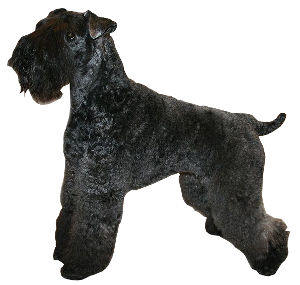
Kerry Blue Terrier

These dogs have a soft, dense coat and weigh 33 to 40 pounds.

Originally bred as hunters, they may not do well in households with cats or other small pets, according to the AKC.

Dr. Sublett notes that if "you're allergic to one dog, you're allergic to all dogs."

There's "not really any guarantee that an animal will be hypoallergenic," he says.

Wednesday, February 8, 2017

Tips To Improve Your Dog’s Diet Today

Improve Your Dog’s Diet Today


Deciding what to feed your dog – or anyone in your care for that matter, isn’t something you should take lightly. 

Apart from exercise and mental health, diet is the biggest contributor to wellbeing. The eating habits we set up can mean the difference between a long and healthy life and programming our loved ones for failure.
I’d like to share with you some of the most important principles that I apply in pursuit of the perfect canine diet. I lead by example; all three of my dogs are lean, healthy and energy filled cuddle-monsters.

My aim is to inspire you to produce your own dog’s meals. If you’re happy with the current food you’re feeding, then incorporating even some of these suggestions will benefit your dog. Remember, it doesn’t have to be all or nothing. Do what you can, when you can. Some change is better than no change.

Here are my top tips to improve your dog’s diet today…


1. Discard the marketing hype and take the label test


No matter how entertaining, relying on advertisements for nutritional information is not ideal. Why? Because the people that produce the ads didn’t formulate the food. Their job is to make even the worst products appear healthy.
Carefully examining the labels on your dog’s food and treats will help you make more informed purchases.
Product labels always list the ingredients in order, from the largest to the smallest.
Google-search each of the first five ingredients. First, type in each ingredient followed by “bad for dogs” and then “good for dogs.” The results may surprise you.
When you start researching, you’ll soon see why I’m against prescription foods sold by vets. They may suit a diagnosed condition but can cause many other problems (and that’s not even taking into account the cooking processes or packaging).
Discuss the ingredients with the person or company recommending the products. If they can’t explain what each ingredient is, its source, why and how it’s good for dogs, then rely on your own research and judgment.

2. Avoid feeding shelf-stable foods as a staple diet


Thanks to clever marketing, the average consumer often overlooks the alarming reasons why processed food has a 12 to 24 month shelf life.
Marketing has conditioned us to believe that shelf-stable foods provide everything dogs need to live long and healthy lives. Actually, the opposite is true. While there will always be the rare exception to the rule, don’t count on your dog being one of them.
Shelf-stable products have no live enzymes due to their industrial cooking processes. They’re dead foods that rely on synthetic supplementation to meet the supposedly “balanced” nutritional standards set out by AAFCO.
My gripe with these products is not that they exist, but the way they’re marketed … as a staple, daily diet. After all, if we could pack all the nutrition the body needs for optimum health into a pellet or a can, then there would be thousands of companies out there producing human “food” and promoting it as a staple diet.
Biscuits, kibble and canned foods have their place – in shelters, charities, on long trips, or on occasions when we’re pressed for time – but they should not be fed as a staple diet.

3. Introduce fresh whole foods


Fresh whole foods such as vegetables and fruit are full of live enzymes and will add a new dimension to your dog’s health. Whole foods are also full of fiber, which aids digestion, encourages pooping and improves stools.
Many of the nutrients are destroyed by the cooking processes that create shelf-stable foods. So the manufacturers add synthetic nutrients back into the products. These nutrients are synthetic imitations of those found in nature … and this is the vast difference between whole foods and industrially-produced foods.
Unlike most synthetic nutrients, whole foods contain nutritional co-factors that work synergistically to help the body absorb, assimilate and make use of nutrients.
You are not simply what you eat, but more importantly, you are what you can absorb. Do your own research on safe whole foods for dogs. There are certain fruits and vegetables that dogs must avoid; also, you’ll be amazed at which parts of the vegetables are the most nutritious. For example, broccoli stems contain more nutrients than the head, and beetroot leaves are full of goodness.
Puree vegetables for maximum nutrient absorption or feed whole as a bone substitute for teeth and gum maintenance.

4. Feed a variety of ingredients rich in antioxidants and anti-inflammatory properties


Inflammation is a major cause of disease so it’s important to research all ingredients in your dog’s diet, along with the manufacturing processes. Inflammation is the leading cause of premature aging, not only in dogs, but in people, too.
As you’re probably now aware, processed commercial foods are inherently inflammatory. Pancreatitis and arthritis are common when you feed processed food too often.
If you must use commercial food it’s best to at least offset its ill effects by adding naturally anti-inflammatory whole foods into the mix. Whole foods high in antioxidants also help reduce inflammation in the body.
Keep your dog young and healthy by feeding a variety of whole foods that are high in antioxidants and anti- inflammatories.

5. Avoid cooking meats


All species on the planet eat raw food except for humans. When we cook our food to please our palates, we lose many beneficial nutrients. It’s the same when we cook food for our dogs. While certain whole foods may release more nutrients once cooked, it’s best to avoid cooking meat for your dog whenever possible.
Irrespective of the stated nutritional values, here’s one of many reasons why commercial pet foods are fundamentally flawed:
“When the muscles of mammals, fish, or birds are cooked at high temperatures, carcinogenic chemicals called heterocyclic amines are created that may increase the risk of breast, colon, lung, pancreatic, and prostate cancer. Risky cooking methods don’t just include barbequing, frying, and grilling. Even just baking chicken at around 350 deg F for 15 minutes leads to significant production of these cancer-causing compounds.”
-Michael Greger MD
If you prefer to cook meat for your dog, just lightly sear it instead of cooking it through.

6. Use certified organic vegetables and fruit when possible


Many of the non-organic fruit and vegetables on the market are genetically modified, and with no labeling laws in place it’s impossible to know exactly what we and our dogs are eating. Although approved for human consumption, evidence suggests that genetically modified foods are not safe. If you’re concerned for the wellbeing of your family and pets, I encourage you to investigate the GMO issue for yourself.
“The process of genetic engineering can disrupt the functioning of the DNA in dramatic ways – it can turn genes off, permanently turn them on, change their levels of expression, and create all sorts of unpredicted allergies, toxins, carcinogens, nutrient problems etc.”
– Jeffrey Smith, Author, Seeds of Deception
Dogs’ lifespans are typically about one-eighth the length of human lifespans. The health problems we see emerging in dogs exposed to GM foods today will no doubt be seen in people in many years to come.
Findings show that 5th and 6th generation offspring of lab mice are affected by the genetically modified food consumed by their ancestors.

7. Wash non-organic produce in apple cider vinegar


We can’t always afford or find organic produce so we have to make what we can get safer.
Plants produce allelochemicals, which help prevent toxic substances including pesticides from penetrating their surface. You can scrub the pesticides off non-organic fruit and vegetables with a clean soft brush while soaking them in one part apple cider vinegar and four parts water for a minute, then rinsing.

8. Avoid gluten


Have you ever joked about how smelly your dog’s farts and poops are?
Many dry pet foods contain gluten meal. This dried residue made from corn is added to pet food to prevent inferior, unstable fats from becoming rancid; this causes waste products to be retained and can strain the liver and kidneys.
Corn gluten even in small quantities may harm your dog’s organs; to make matters worse, GMO corn is often used in pet food.


9. Replace rice with organic green lentils


Dogs don’t need grains at all to be healthy. They don’t eat them in the wild, and most are allergic to wheat. When a dog has an upset tummy it baffles me why many vets still recommend boiled chicken and rice.
A great protein-rich substitute is green lentils. Just like rice, green lentils require boiling, so your preparation time is similar. It’s best to soak them first and rinse before cooking, then rinse again after cooking.
Lentils are one of the most nutritionally valuable leguminous plants. They have the highest protein content. They’re also rich in fiber and minerals, particularly iron and magnesium.
They’re rich in lysine, an essential amino acid that can help boost the immune system. It can prevent and treat cold sores, herpes and shingles in humans. Athletes also take it to improve performance.

10. Add raw coconut oil as a source of fat


Unlike animal fats and other vegetable fats, raw coconut oil (virgin cold-pressed) is truly unique. While it’s high in saturated fat, it’s a healthy saturated fat that mainly contains medium-chain fatty acids that the body doesn’t store.
Coconut oil can help you manage your dog’s weight. Raw coconut oil goes straight to the liver where it gets converted into energy. The more energy your dog has, the more he exercises; the more he exercises, the leaner he stays; the leaner he stays, the less chance of obesity-related diseases.
Note: you will still need to provide your dog with a source of Omega-3 fatty acids. Since fish oils can turn rancid very easily, consider sources of Omega-3 oils like chia seed, flaxseed or hempseed. You can also add small amounts of (preferably fresh) sardines.

11. Do not over-feed … and limit treats


Feed your dog according to whether he needs to gain or lose weight. If he’s overweight, feed him earlier in the day so he has more time to work it off. If your dog needs to gain weight then feed more regularly and especially before bedtime, preventing the dog from burning off those calories.
Within reason, don’t worry about your dog being too skinny. It’s ok for your dog to be very slim, especially in his younger, more active years. As he grows older, he’ll gain weight more easily, so don’t set him up for failure by trying to make him heavier too early – it will come naturally over time
Just like marketing gurus once convinced mothers they should be putting snacks in their children’s lunchboxes, they’ve tricked dog owners into believing that giving our dogs treats is normal. The worst part is that it’s near impossible to find ready-made healthy treats.
So let me ask you… when you’re feeling guilty for not spending enough time with your dog, is compensating with a treat about how you feel or about how your dog feels?
Without realizing it, many of us are slowly poisoning our dogs with treats. It can be easy to spot the dog who gets far too many treats – usually it’s the obese one. If you’d like to feed treats, consider making fresh and healthy treats at home. Dried coconut flakes are a great choice.
It’s fun to give dogs treats, but use them sparingly. Lean dogs are healthier dogs.

12. Get creative for teeth and gum health


Some commercial treats claim to benefit teeth and gum health but their unhealthy ingredients and cooking processes can cause other health problems. Marketing does it again!
If you ask any dentist how to best keep teeth plaque-free and gums healthy they’ll recommend brushing. The same rules apply for dogs.
It isn’t always possible or practical to brush your dog’s teeth so bones come in a close second. Gnawing on raw bones will help keep your dog’s teeth sparkling white. 
Another good solution is to give your dog whole foods like carrots and zucchini to chomp on. You see, it’s all about the rubbing and sloughing action on the teeth.
You can make fresh treats for your dog to gnaw on to help remove plaque. Try cutting some holes in vegetables and cover them with melted raw coconut oil. Place in the freezer for five minutes then serve.
These treats can also satisfy a dog’s need to grind and chomp, and they aren’t as harsh on teeth as bones. Be warned – there will be bits of vegetables everywhere … but that’s ok, you’re not feeding these primarily for nutrition purposes.
In the unlikely event your dog rejects these natural treats at first, don’t give up. Play games with the treats, throwing them to encourage a fetching game, or even play hide and seek.
Raw coconut oil also acts as a wonderful canine toothpaste because it has antiviral, antibacterial, and antifungal properties – plus most dogs love the taste!
Allowing your dog to lick hardened coconut oil off a bowl for 20 seconds after each meal is a great way to help with bad breath.

13. Rethink your water


Water is the most important aspect of a healthy diet yet it’s the most overlooked. There are well over 150 chemicals in most tap waters, depending on where you live.
We can argue all day about the safety of that healthy, naturally-occurring stuff called fluoride, or we can shift our focus towards its nasty, toxic waste version that’s in our water supply … hydrofluorosilicic acid.
97% of Europe refuses to put it in their water supply. It’s a byproduct of fertilizer manufacturing and it contains traces of arsenic and lead, and also increases the body’s uptake of aluminium.
Of course all homes should have a water filter to remove unwanted chemicals but in an ideal scenario having pure water to begin with is better.
I prefer to pour an imported alkaline water for my dogs (Saka is a good brand if you can find it) and it’s the only water they drink. While feeding alkaline water to dogs may go against the grain, I can see the benefits.
A very cost effective alternative to water filters is Willard Water® – one of the most unusual products you’ll ever find. In essence it is just water, but add a few drops of it into your dog’s water bowl and special things start to happen. It purifies water, makes it alkaline, and also helps with nutrient absorption, among many other benefits.

14. Wash bowls with vinegar


A good white vinegar is a chemical-free alternative to commercial cleaning products. Among other things, you can use it to wash your dishes and clean surfaces, including dog bowls and floors. It disinfects and is odorless when dry.
Dogs can be sensitive to commercial cleaning products so replace as many of these as possible with natural alternatives. Apart from vinegar, you can Google search organic and safe, ready-made cleaning products.

15. Take Charge


You know your dog better than anyone so it makes sense that you should be in control of your dog’s diet.

Thursday, January 26, 2017

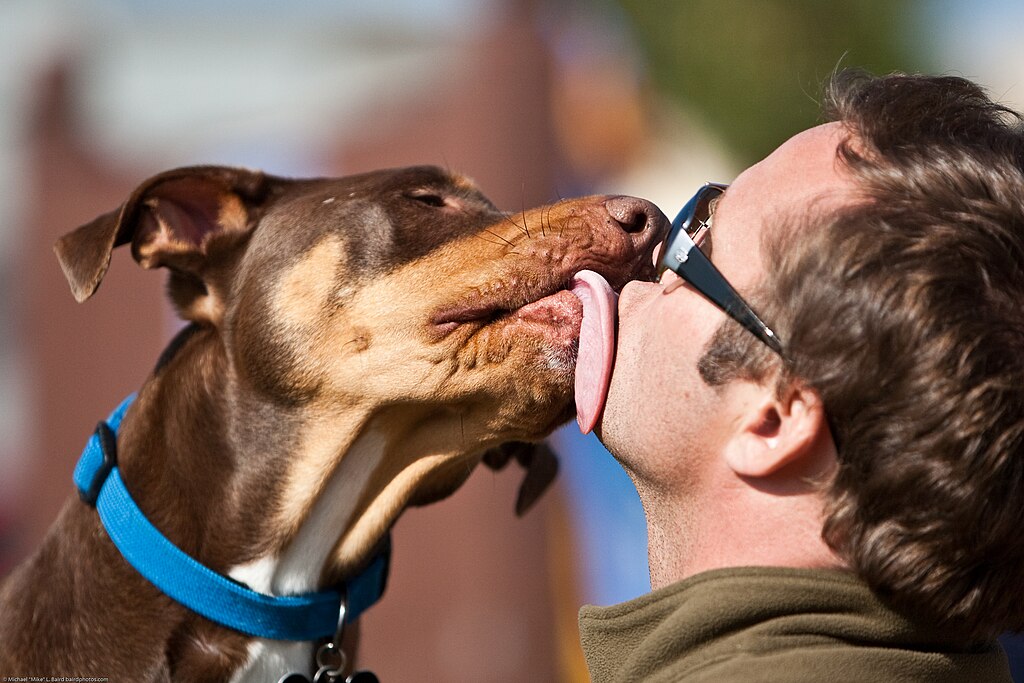
Are dogs’ mouths really cleaner than human mouths?

Statistics reveal that almost all pet owners consider their pets to be part of the family. Given these realities, it’s no surprise that kissing animals living under the same roof as their owners is common practice. But is it safe?
We at Bright Side want you to know what hidden dangers could be lurking in giving your four-legged friend a big hug and kiss.


Are dogs’ mouths really cleaner than human mouths? 


That’s a total myth. Marty Becker, author of Chicken Soup for the Soul of the Dog Owner, dispels this popular prejudice when he says, "All you have to do is look, watch, smell, and you’ll realize that is not true. They raid the garbage can. You know, we give each other a peck on the cheek when we say hello; they give each other a peck on the rear end."

How many bacteria are there in dogs’ saliva?


This is what John Oxford, professor of virology and bacteriology at the Queen Mary University in London, says about how many bacteria your dog’s muzzle and mouth can carry: "It is not just what is carried in saliva. Dogs spend half their life with their noses in nasty corners or hovering over dog droppings so their muzzles are full of bacteria, viruses, and germs of all sorts."

What might happen if these bacteria get into the human body? 


These viruses and germs can cause serious health problems in humans. This is what happened to one British woman who contracted an infection from her dog’s saliva. She began to notice that her speech sounded more and more slurred. Blood tests revealed that she had an infection due to capnocytophaga canimorsus bacteria, commonly found in the mouths of dogs and cats. There were also 13 similar incidents across the UK.
 

What other diseases can you catch from your pets?


Ringworm infection is one of the most common diseases that you can get from kissing your dog. If your pet is infected with ringworm and you kiss them, then you’ll catch this disease too.
MRSA infection usually affects the skin, and it can be caused by just one lick from your dog.
Capnocytophaga сanimorsus is a bacterium that can cause serious health problems if it enters your body through an open wound.

How to prevent health risks associated with owning a pet


Always follow these rules:
  • Don’t kiss your animals, don’t let them lick your face, don’t ever feed your pets at the table, and never share your dishes with them.
  • Wash your hands thoroughly after having any contact with animals.
  • Vaccinate your pet against common diseases promptly.
  • Use special antibacterial and antifungal shampoos when you wash your furry friends.
  • Make sure your dog or cat has no contact with wild or stray animals of any kind. When walking your dog, watch that they do not eat anything off the street.
  • Don’t feed your four-legged friends raw eggs, meat, or fish.
  • Regularly clean and disinfect your pet’s feeding bowl, and do general cleaning in the house using disinfecting solutions.
  • See your vet immediately if your pet is not feeling well, if he or she refuses to eat, or suffers from digestive disorders.