Translate

Showing posts with label veterinary. Show all posts

Saturday, September 16, 2017

Kennel Cough

Is your dog coughing more than usual? 


If your dog recently spent a lot of time around other pups and is showing signs of respiratory distress, they may have picked up a curable but stressful illness. Kennel cough is contracted when a dog inhales bacteria or virus particles. Their respiratory tract is coated with mucus that traps the particles, resulting in the voice box and windpipe becoming inflamed. Find out which symptoms to look for, ways to help your canine recover and more about the vaccines needed to keep you pet healthy.


What Is Kennel Cough?


Kennel cough is also referred to as tracheobronchitis and Bordetella. This disease is a respiratory tract infection where the dog’s trachea and bronchi become inflamed. Kennel cough is highly contagious and a high percentage of dogs are infected at least once during their life. Puppies experience some of the most severe complications since their immune systems aren’t fully developed.


What Dogs Are at High Risk for Kennel Cough?


Puppies are not the only ones at risk. Older dogs and pregnant females also have decreased immune capabilities making them more susceptible to infection. This severe respiratory disease can spread quickly in overcrowded spaces like doggie day care, boarding facilities and groom facilities putting the pups at a higher risk of obtaining it.


Kennel Cough Symptoms


- A dog with kennel cough may be acting completely normal activity-wise and appetite-wise, but the main thing you’ll notice is their cough. Below are some symptoms to be on the lookout for.

- Cough that has a honking sound

- Fever

- Gagging and coughing up phlegm (worse after exercise)

- Nasal discharge

- Severe cases may include: pneumonia, lack of appetite, lethargy and possibly death Kennel Cough Treatment


There are two main treatments for tracheobronchitis and Bordetella. 

Less serious cases require no antibiotics while more serious cases require them. If your dog has minor symptoms then you’ll have to let the disease run its course. An anti-inflammatory agent can be given to your dog to reduce the coughing episodes and help your dog feel more comfortable. If your dog isn’t eating, has a fever and is having severe respiratory problems – your dog may have pneumonia, this means antibiotics will be suggested by your vet.
While your pup is recovering from kennel cough remove any items from around his neck. This includes collars, scarves and bandanas. Use a body harness Instead of a collar for your dog on walks to prevent stimulation of the coughing reflex.


Kennel Cough Vaccine

There are three types of vaccines for this disease: injection, nasal mist and oral. This is a common immunization during your pup’s regular vet visits so be sure to ask if you expect them to spend time around other animals. The nasal mist and oral vaccine are given to dogs once a year, but if your pup is at high risk it may be recommended every 6 months. Note that the Bordetella part of the vaccine takes 3 days to be effective. The nasal mist and oral vaccine also provide protection to the animal sooner than the injection does.


Notes: While these vaccines reduce the likelihood of illness, they don’t guarantee your pup won’t get sick. Also, the vaccine does not treat active infections.

Monday, June 26, 2017

Dogs Noses are Wet and Cold


In the dog, the olfactory system (or sense of smelling) is the primary sense and it is very efficient. In fact, about 30 percent of their brain is designated to analyzing odor. This is almost forty times more sensitive than that of a human. The nose of a healthy dog can fluctuate between wet and dry frequently during the day, depending on several factors. Most people have always wondered why their dog’s nose is wet and cold most of the time. Here’s why:


Mucus


Your dog’s nose has a layer of mucus that appears naturally at the tip of his nostrils. This helps to catch scents and enhance the detection of odors. The pet’s tear ducts also produce moisture that runs into its nasal cavity on its way to the entrance of the nostril. Here it helps to absorb irritants like pollen.


Licking


Dogs have been known to lick their noses every now and then, which also contribute to their wet and cold muzzles. One of the reasons behind this habit is that dogs have long snouts and noses, which tend to get dirty very easily particularly when they are rooting around in food. Licking is just part of their cleaning process. Another reason dogs lick their noses is to wipe off the scent chemicals contained in the mucus mentioned above to allow the olfactory glands located at the roof of their mouth to sample them.


To cool the body


One obvious reason your dog’s nose is cold is due to the fact that it is not covered in fur. The normal temperature of a healthy dog is 101 to 102.5 degrees F. If you record higher temperatures on your dog’s nose, it may be a sign of fever. The muzzle’s smooth texture and moistness make it feel cooler than it really


Moisture from environment


Dogs that spend time outdoors usually have the habit of sniffing their environment. During this process, their noses naturally pick up moisture from plants, grasses, the ground, and other sources in their surroundings. This contributes to their cold and wet noses as well.


Nose Health


While your dog’s nose is supposed to be moist, it should not be dripping or running. This could signify the presence of an irritant, tumor, or infection. One precautionary measure you can take is keeping potential irritants like household chemicals, grass piles, and strongly scented flowers away from your dog’s reach. You should also safely discard hazardous materials like sharp objects, strings, and broken glass instead of leaving them in the household trash, where your dog can poke his head inside for a sniff.

Red Signs


Although a cold and wet nose is usually associated with good health, it is not always the case and neither is vice versa. There are certain instances when your dog may have a warm nose but is perfectly healthy, particularly when he is alert and acting normally. But there are a number of signs you should watch out for in an unhealthy dog. These include:

Tuesday, June 13, 2017

Owners Danger Mistakes 1 of 3


Letting Your Dog Walk You


A poorly trained dog can pull you over while you’re out for a stroll. According to the CDC, tens of thousands of people end up in the ER every year because of pet-related falls. Many of these falls occur during walks -- either when a person trips over a dog or is pulled or pushed by one. Experts say obedience training is the best way to make sure your pooch doesn’t take you down during the morning walk.

Overlooking Ticks


After a walk in the woods, you check yourself for ticks, right? Don't forget about your dog. Tick bites put your dog at risk for Lyme disease, Rocky Mountain spotted fever, and a handful of other diseases. They can also cause serious illnesses in cats. If your pet has infected ticks, this puts the rest of the family at risk. If you find a tick, remove it carefully with tweezers, being careful to get all of the head and not to crush it. Ask the vet about tick control.


Ignoring Ringworm and Roundworms


Ringworm life circle

If your pet has a round bald patch, ringworm could be to blame. Leave this fungus untreated, and you're putting your family at risk. People can get ringworm from dogs or cats by touching their skin or fur. Ringworm usually causes a reddish, ring-shaped rash on the skin or bald spots if it infects the scalp. If your pet has hair loss, take him to your vet to see if it could be ringworm.
Roundworms are common parasites in both dogs and cats. They cause diarrhea and vomiting and may lead to serious illness. But many people don't realize these worms are a threat to humans, too. An infected pet can contaminate soil or sand with tiny eggs. Kids may ingest the eggs by putting dirty fingers in their mouths. When the worms hatch inside people, they can cause blindness and other tissue damage. Ask your vet about regular deworming.

Skipping Flea Medicine


Skip your pets' flea medicine, and they aren't the only ones who will pay the price. Fleas will quickly set up shop on untreated pets, particularly in summer and fall, and fill your house with their eggs and young. Some people wind up covered in itchy sores. Fleas can also transmit serious diseases to people including bubonic plague. Ask your vet about long term flea medication and put a routine reminder on your calendar.

Not Spaying or Neutering Your Pet


Millions of cats and dogs live on the street or end up euthanized because of unwanted litters. Still, many people are reluctant to spay or neuter their pets. The fact is, spaying and neutering is a healthy choice for your pet. It reduces the risk of breast cancer in females and testicular cancer in males. Neutered males are also less likely to run away from home, mark their territory, or exhibit aggressive behaviors.

Keeping the Food Bowl Full


With the best intentions, some people keep their pets' food bowls full at all times. This is one of the most common mistakes pet owners make. The problem is that cats and dogs often eat more than they need. If food is constantly available, they will take in too many calories and put on too much weight.

Forcing Cats to Be Vegetarian


Vegetarian people sometimes want their pets to share their lifestyle. The trouble is cats are "obligate carnivores." This means they must eat meat to survive. They depend on nutrients, such as the amino acid taurine, that are only found in animal tissue. Dogs may be able to handle a well-balanced vegetarian diet, but check with your vet first.

Providing Too Little Exercise


Just like people, pets need exercise to stay healthy. Couch potato pets are prone to obesity, which raises their risk of respiratory problems and joint problems. The right amount of exercise for a dog depends on the breed and size, but vets recommend at least a half-hour each day. Taking brisk walks with your dog can help you get in shape, too.

Tuesday, February 28, 2017

Vaccination

Which vaccines my dog ​​need to take?


And if he has never been vaccinated?


When are these vaccines?


Learn more and see the vaccination schedule for your dog.

It is important to know which vaccines your dog should receive and the intervals between doses should be at the discretion of the veterinarian who takes care of your dog. Here at All About Dogs seek answer your questions and provide a vaccination schedule for you to follow the vaccines your dog. Indepentemente of vaccines that your veterinarian will apply the multiple vaccines (V8 or V10) and anti-rabies vaccination is mandatory in any scheme.
Adults who have never been vaccinated dogs or puppies that have passed the correct time to vaccinate need to receive two doses of multiple vaccine (with an interval of 21 days between them) and a dose of rabies vaccine. This also applies to dogs "unknown" when it is not known whether they were vaccinated one day.

In these vaccines, there immunization against leishmaniasis or kala-azar, an important zoonosis (disease that can be transmitted from animal to humans). This vaccine is applied in regions where the disease is common and should be preceded by tests to detect if the dog already has the disease.

One should not vaccinate puppies under 45 days of age unless the bitch that gave birth to the puppies have never been vaccinated because the vaccines can be inactivated by antibodies passed from the mother to the offspring.

All domestic animals, usually the canines and felines, require extra protection with regard to your health ... and health of their owners. Yes, because a dog or cat unvaccinated run not only much greater risk that they will incur serious and highly contagious diseases, as well as come to contract zoonoses, or diseases transmissible to humans (as is the case of rabies).

Vaccination of domestic animals contributed, throughout the twentieth century to prevent the deaths of millions of animals, according to experts estimate. And pet owners should not fail to vaccinate the dog or cat against rabies just because this disease has been eradicated from the country where they live, without evidence of any cases today. Diseases like this are highly contagious and anger, in particular, comes from animals like bats and foxes. Therefore, the vaccination will also give more freedom to your pet as it may cause increased security what we like best: play and travel.

So, know that preventable diseases through vaccination are several, such as anger (no known cure), leptospirosis (highly dangerous, transmitted from infected rats, can also infect humans), canine distemper (often fatal and most common in winter), parvovirus (the animal dies in diarrhea sequence plentiful), Coronavirosis (similar to the previous, but with a more benign character), infectious hepatitis (can cause irreversible eye damage) and canine influenza (highly contagious among dogs and more frequent in wet and cold days). The classic vaccination schedule prevents all these diseases, but sometimes the veterinarian may consider that the characteristics of the animal or the region where he lives require extra vaccines (to prevent diseases such as feline leukemia, giardia or leishmaniasis).

Animals should see its reinforced vaccination every year, since studies point to the duration of immunity to one year. However, know that the veterinarian who treats your pet is who will decide the right time to revaccination. This will be decided depending on the animal's lifestyle: if it's homemade, whether it is animal exposure and contests, whether it is animal hunting.
Finally, know that vaccination in very rare cases, such as vaccination administered in humans, could entail some risks and even trigger severe crises in animals. But the disastrous occurrences are uncommon and the risk-protection gains greater expression when we think the risks that entails an animal is not vaccinated.

Thursday, January 26, 2017

Are dogs’ mouths really cleaner than human mouths?

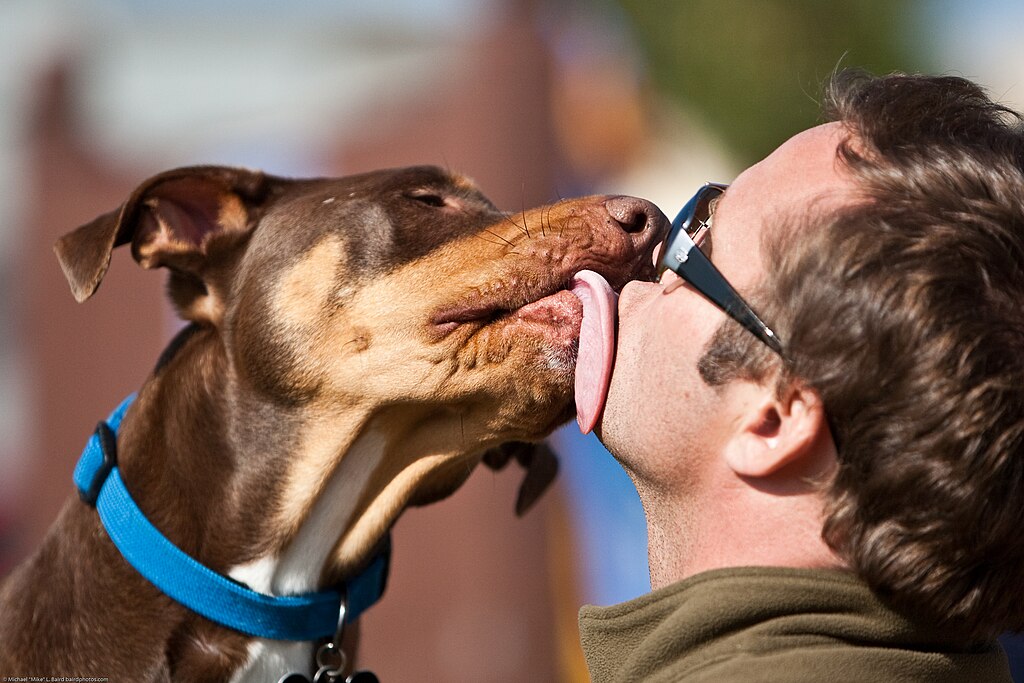
Statistics reveal that almost all pet owners consider their pets to be part of the family. Given these realities, it’s no surprise that kissing animals living under the same roof as their owners is common practice. But is it safe?
We at Bright Side want you to know what hidden dangers could be lurking in giving your four-legged friend a big hug and kiss.


Are dogs’ mouths really cleaner than human mouths? 


That’s a total myth. Marty Becker, author of Chicken Soup for the Soul of the Dog Owner, dispels this popular prejudice when he says, "All you have to do is look, watch, smell, and you’ll realize that is not true. They raid the garbage can. You know, we give each other a peck on the cheek when we say hello; they give each other a peck on the rear end."

How many bacteria are there in dogs’ saliva?


This is what John Oxford, professor of virology and bacteriology at the Queen Mary University in London, says about how many bacteria your dog’s muzzle and mouth can carry: "It is not just what is carried in saliva. Dogs spend half their life with their noses in nasty corners or hovering over dog droppings so their muzzles are full of bacteria, viruses, and germs of all sorts."

What might happen if these bacteria get into the human body? 


These viruses and germs can cause serious health problems in humans. This is what happened to one British woman who contracted an infection from her dog’s saliva. She began to notice that her speech sounded more and more slurred. Blood tests revealed that she had an infection due to capnocytophaga canimorsus bacteria, commonly found in the mouths of dogs and cats. There were also 13 similar incidents across the UK.
 

What other diseases can you catch from your pets?


Ringworm infection is one of the most common diseases that you can get from kissing your dog. If your pet is infected with ringworm and you kiss them, then you’ll catch this disease too.
MRSA infection usually affects the skin, and it can be caused by just one lick from your dog.
Capnocytophaga сanimorsus is a bacterium that can cause serious health problems if it enters your body through an open wound.

How to prevent health risks associated with owning a pet


Always follow these rules:
  • Don’t kiss your animals, don’t let them lick your face, don’t ever feed your pets at the table, and never share your dishes with them.
  • Wash your hands thoroughly after having any contact with animals.
  • Vaccinate your pet against common diseases promptly.
  • Use special antibacterial and antifungal shampoos when you wash your furry friends.
  • Make sure your dog or cat has no contact with wild or stray animals of any kind. When walking your dog, watch that they do not eat anything off the street.
  • Don’t feed your four-legged friends raw eggs, meat, or fish.
  • Regularly clean and disinfect your pet’s feeding bowl, and do general cleaning in the house using disinfecting solutions.
  • See your vet immediately if your pet is not feeling well, if he or she refuses to eat, or suffers from digestive disorders.

Tuesday, January 24, 2017

HINTS TIPS HOW TO ? Aid for Pet Burns and Scalds

The thought of an animal suffering a scald or burn is hard to take, but with a little knowledge you can be prepared to take the proper course of action–and to avoid doing things that can hurt your pet even more.

First thing to do: examine the extent of the burn. Look under the fur. If the skin is intact, apply or submerge in cold water. Never use ice.


Burns are categorized by depth. First-degree burns are superficial, second-degree burns extend to the middle layer of the skin, and third-degree burns are the deepest:


First-degree burns: Superficial, stemming from minor sunburns or hot liquids, red and slightly swollen.

Second-degree burns: Affecting middle skin layer, from deep sunburns or flash burns from chemical, blistered and wet looking.

Third-degree burns: Involving the deepest skin destruction, white and puffy or charred and black.


First- and Second- Degree Burns


Submerge or rinse with cold water or apply a clean cloth soaked in cold water. If blisters are closed, apply a clean, dry bandage. If blisters are open, do not cover. Do not break blisters open. Do not peel skin. Let heal naturally. If blister is large or does not heal, consult your veterinarian.

Third-degree Burns


Do not move the animal unless necessary. Do not immerse in cold water. Treat for shock (cover animal to retain body heat). Apply a clean, thick, dry dressing (don’t wrap, just cover). Do not remove burned skin or charred material. Seek veterinary attention immediately.

Sunday, January 22, 2017

The Netherlands became the first country without abandoned dogs - and did not have to sacrifice any

Around the world, it is estimated that there are approximately 600 million dogs living on the streets. It is a difficult and complex situation to resolve, and the vast majority of governments lack public policies to help resolve this issue. But what seems impossible for many countries has come true in Holland. Without any kind of sacrifice or apprehension of the animals in kennels, the European country obtained the title of first of the world without any dogs living in the streets. This feat is part of a government plan based on four pillars: harsh laws for those who abandon dogs, fines that go into the thousands of euros, castration and awareness campaigns, and high tax rates for those who buy breed.

With this, the Netherlands managed to avoid the reproduction of the dogs that lived in the streets, besides making people give preference to the adoption of the previously abandoned animals. A beautiful and intelligent program that should serve as an example for countries all over the world!

Friday, December 30, 2016

How to Choose a Vet for Your Pet


 veterinary
As soon as you get a pet, you need to make sure you have a good vet. Start looking for a veterinarian once you know you are getting a pet and long before you actually need one for an emergency situation. It is a good idea to know where to take your animal if you have any kind of problem, instead of searching for someone suitable in an emergency. Choosing a vet can be a big decision. Don’t just go with the first person listed in the phone book. Instead, take the time to find the one who works well with your pet and is trustworthy. Here are a few tips on finding the perfect doctor for your pet.

Find a vet that is experienced with your pet’s species


If you have a dog or a cat, nearly any vet can handle them. However, if your pet is a little more exotic, such as a snake, ferret or parrot, it may be more difficult to find someone who has experience with this type of animal. You don’t want a doctor who will be guessing at treatments, so look for someone who has plenty of experience treating your pet’s species.

Take your pet for a checkup


One of the best ways to see how well a veterinarian interacts with your pet is to go in for a checkup. You will get a much better feel for the doctor this way and you can also see how your pet reacts. If you’re not pleased, you can look for someone else before there is an emergency situation.

Find out if there are multiple vets working at the clinic or hospital


It can be very useful to see a vet in a clinic where there are multiple pet doctors. If one is out sick or on vacation, you won’t need to seek out someone new. It’s a good idea to try and meet everyone who works in the clinic so you’ll know who the backup is for your regular vet.

Ask for recommendations


Have friends with the same kind of pet? They should be able to recommend a vet to you. Recommendations usually work out better than a simple ad in the newspaper or a listing in the Yellow Pages. Your friend can let you know what they like about their veterinarian and give you tips for meeting them.

Look for reasonable rates


Even if you have an exotic pet, you don’t want to pay extreme rates. Check out prices early on in your search and eliminate vets who don’t offer reasonable pricing. You can often find out what a vet charges with a simple phone call. Ask about pet visits and overnight stays to get a better picture of the pricing models.

Horse Vet

Avoid unprofessional clinics


Everything about the vet’s office should be neat and clean, including the vet. If the staff seems disorganized or messy, you probably don’t want your pet being cared for at the clinic. The waiting room and exam rooms should all be spotless and without unpleasant odors. Ask for a tour of the space so you can check out the animal holding areas and procedure rooms as well.

Stick with a vet who can take on emergencies


Not all vets handle emergencies, so look for one who does. This will eliminate many of the stress factors when a pet is sick or injured, as you will know exactly who to call and where to go. This is something you should ask in the first phone call to determine whether or not it is worth seeing the pet doctor.

Shop around


There is no reason to stick with the first vet you see. Instead, take the time to meet several veterinarians and check out multiple clinics in the area. Small towns may not have many options, but if you can meet more than one vet, you will be in a better position to choose the right one.

Location matters


A convenient location is another factor in choosing a clinic to use. Keep in mind that if your pet is very ill or badly injured, you are not going to want a long drive ahead of you. It’s a good idea to find a vet within 30 minutes of your home, if possible. The clinic should also be easy to find, with parking close by so you can get an injured animal inside as quickly as possible.